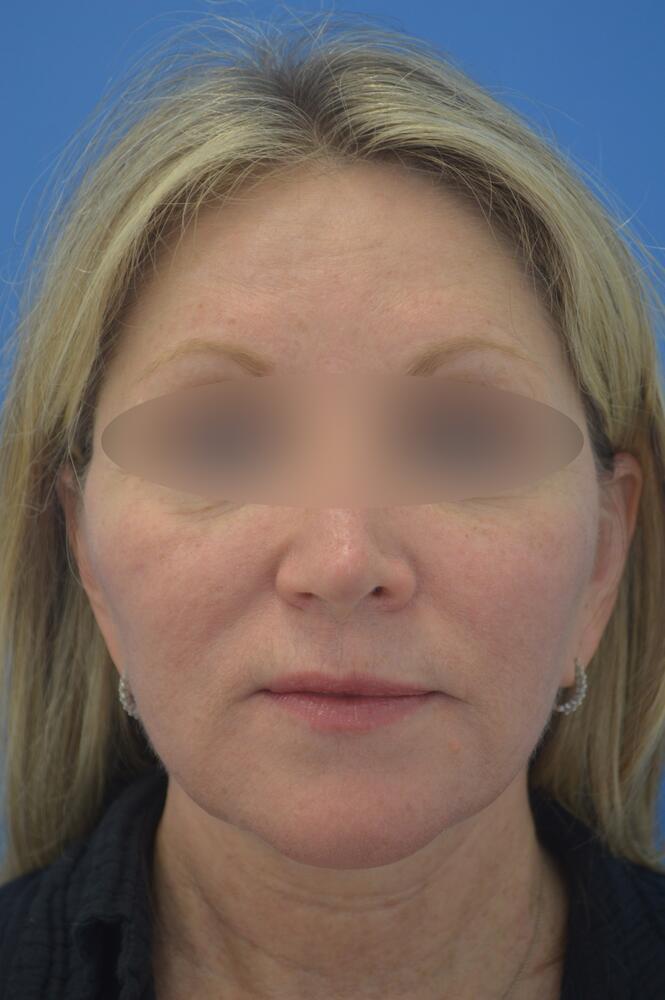
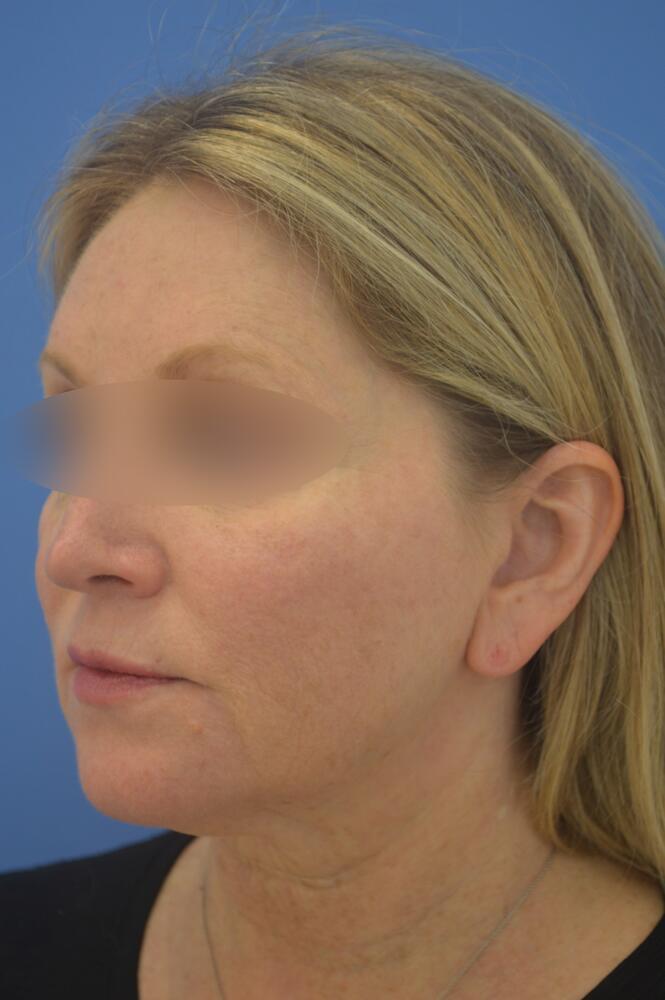
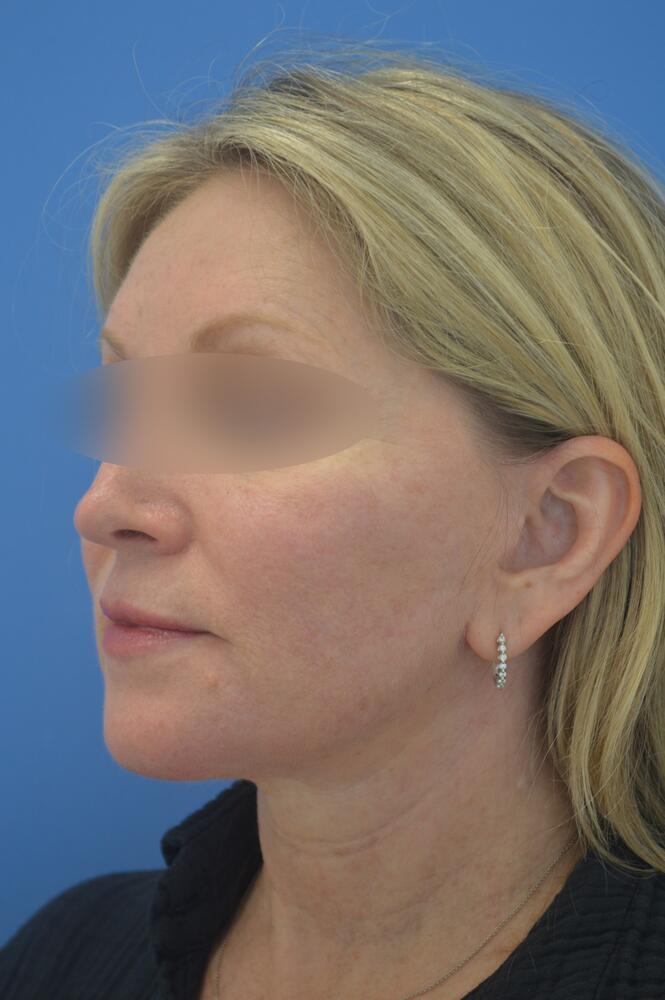
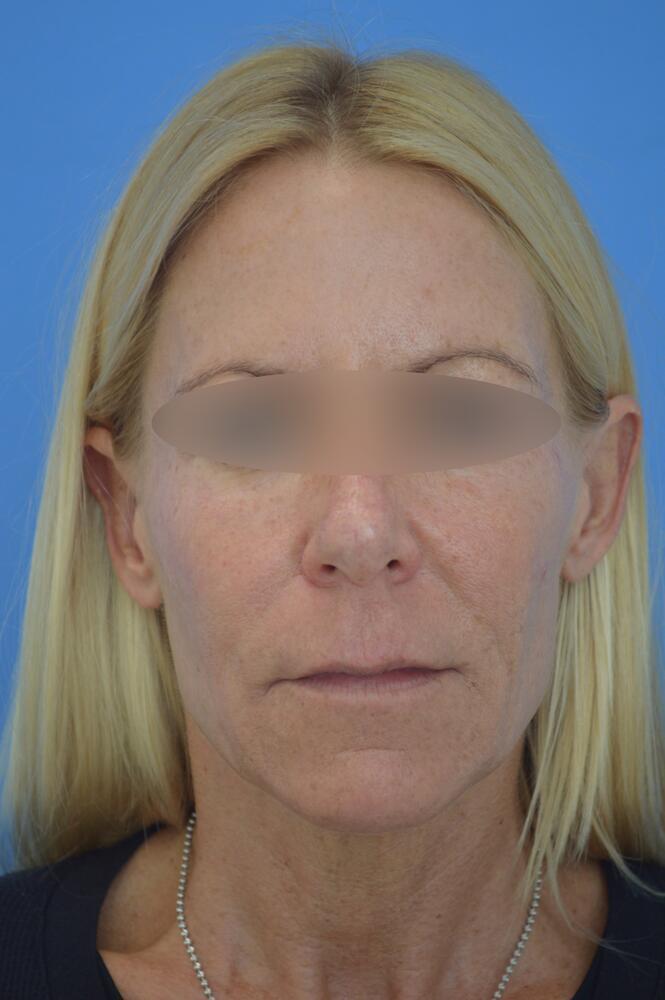
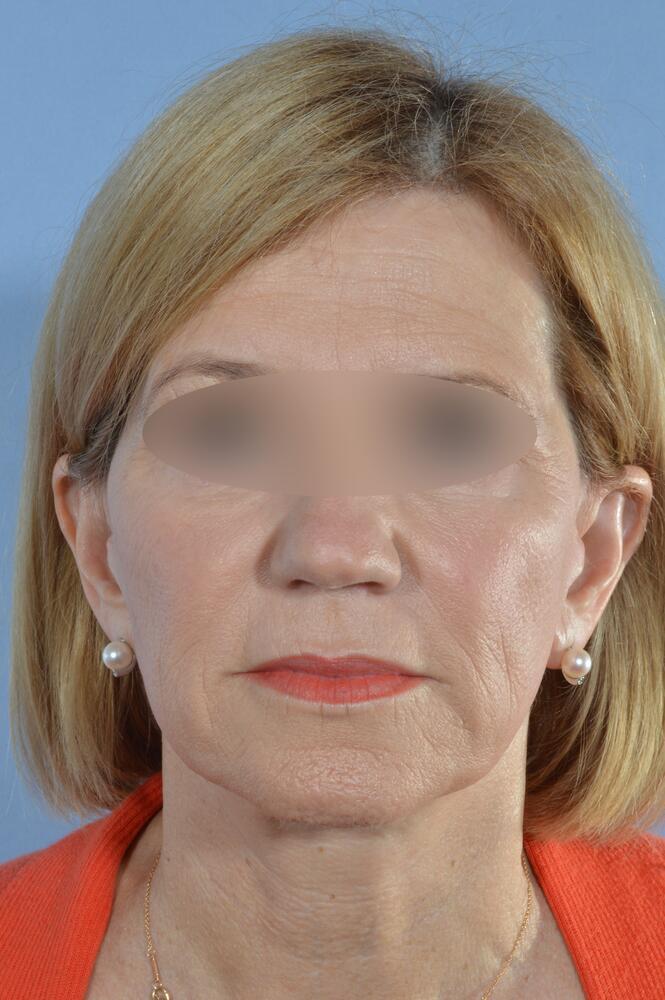
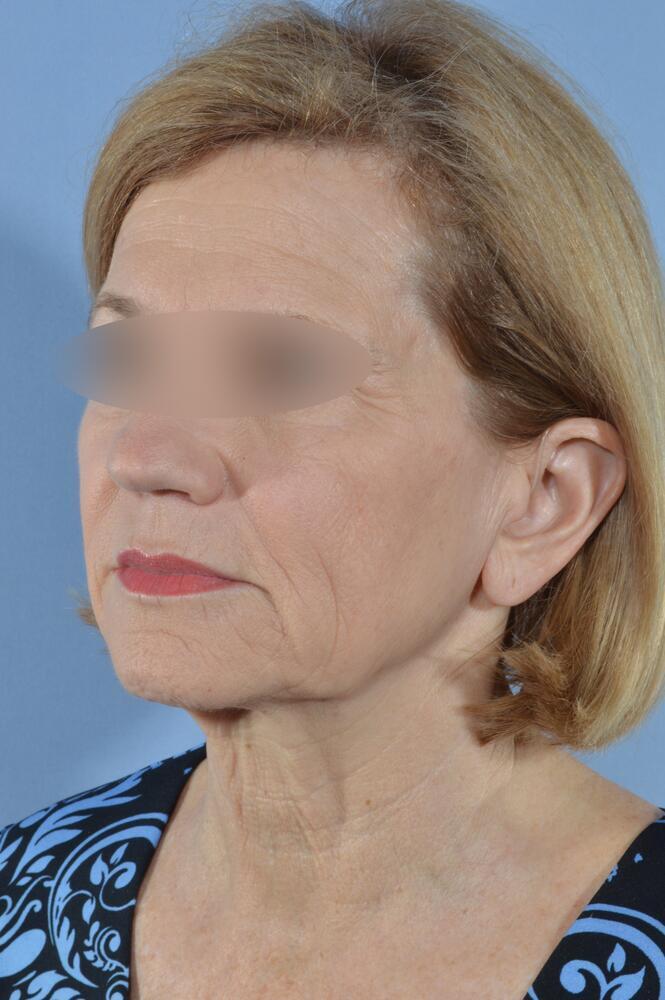
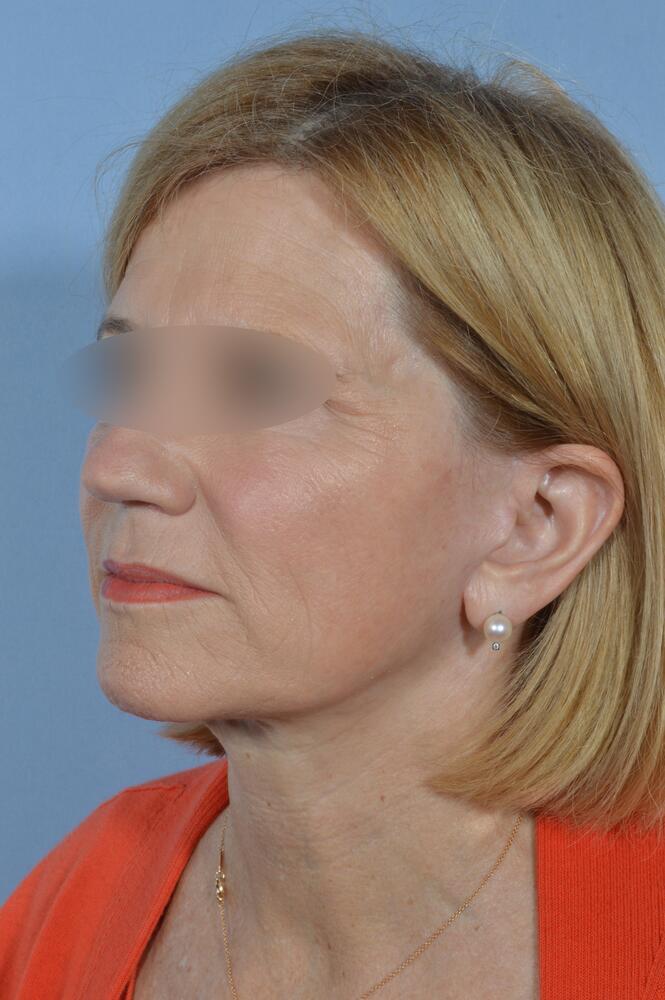
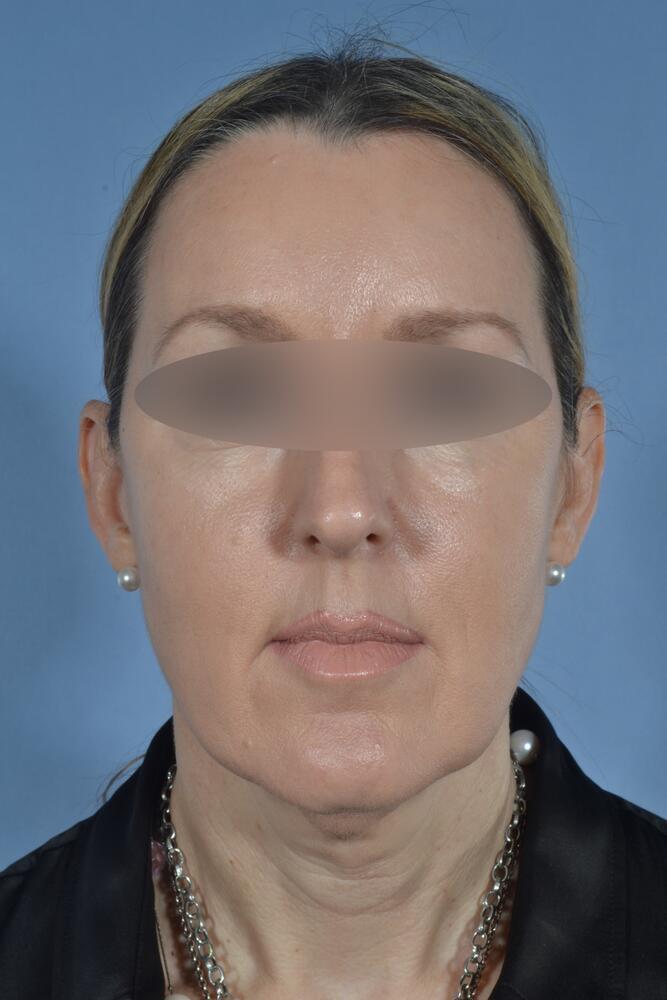
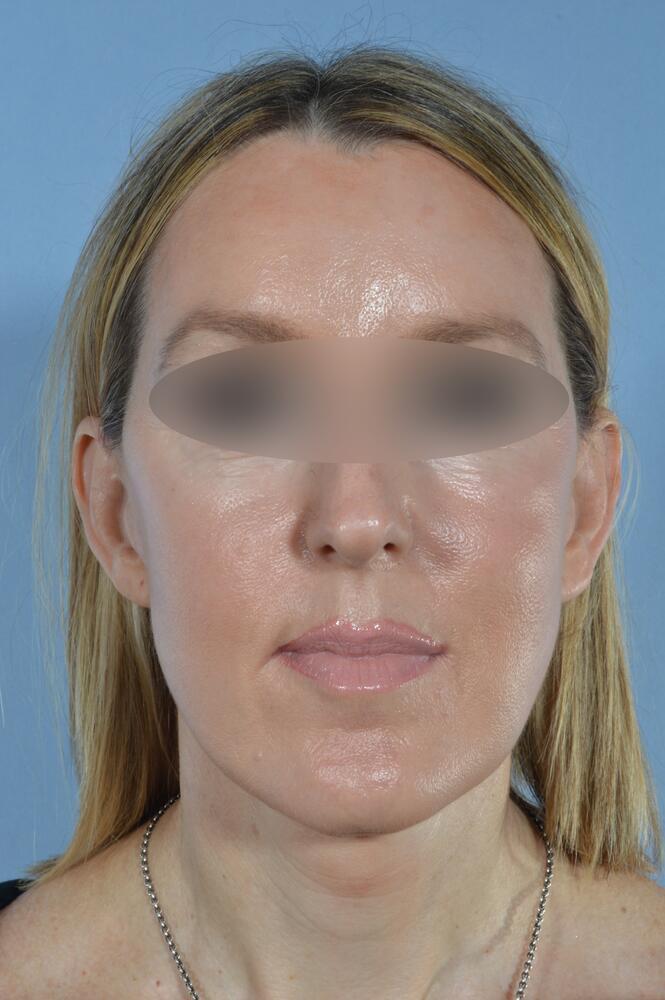
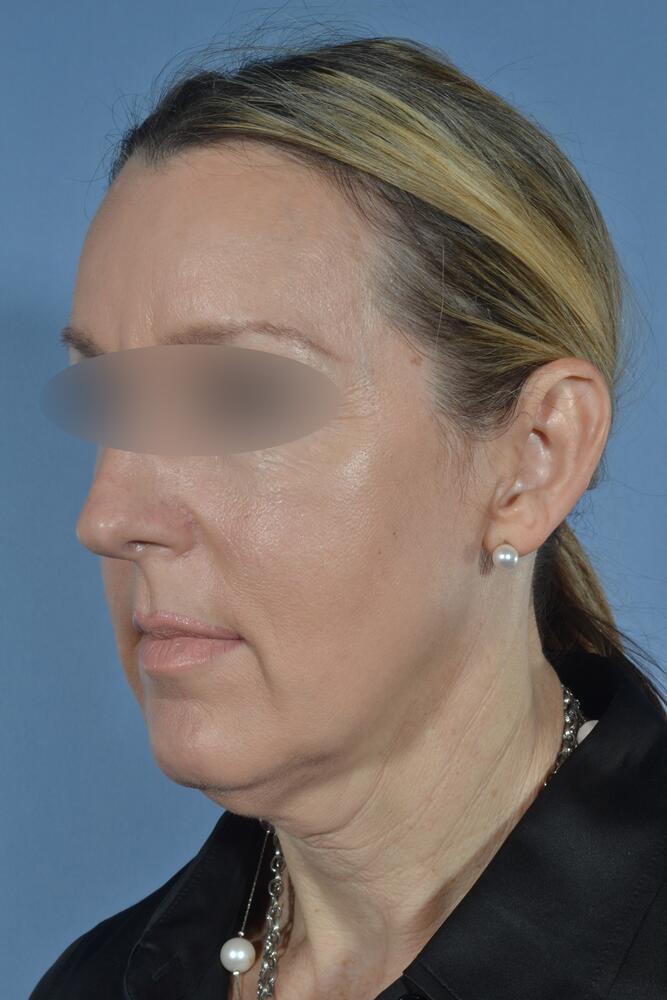
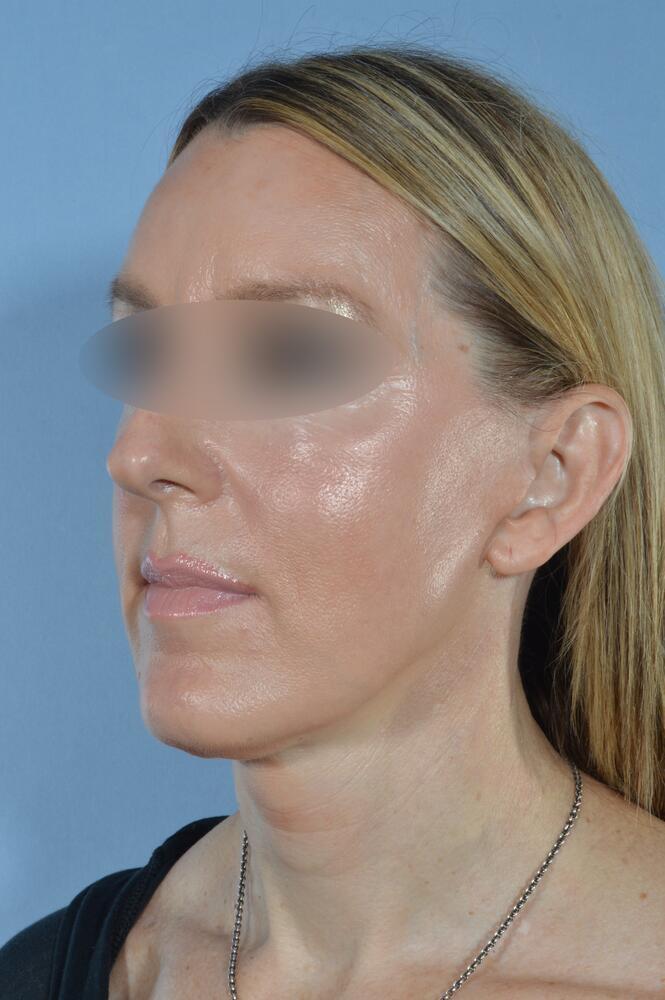
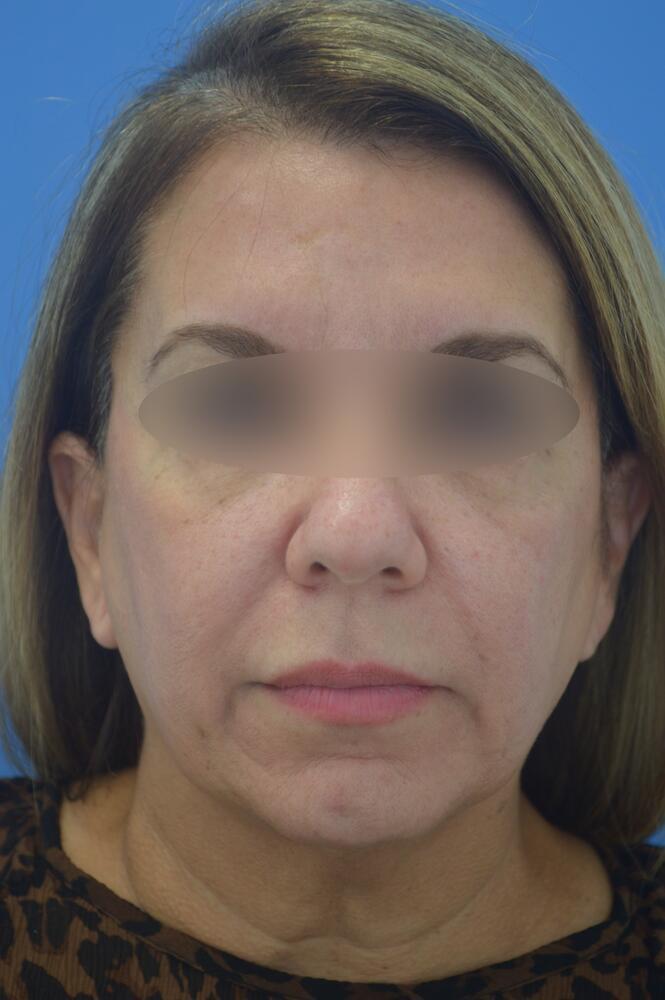
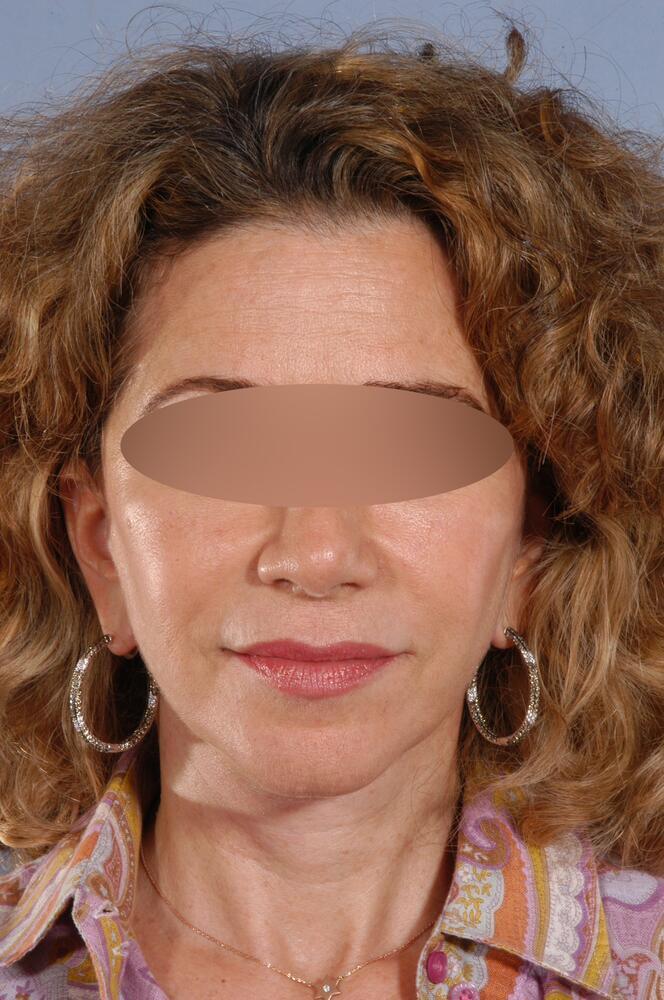
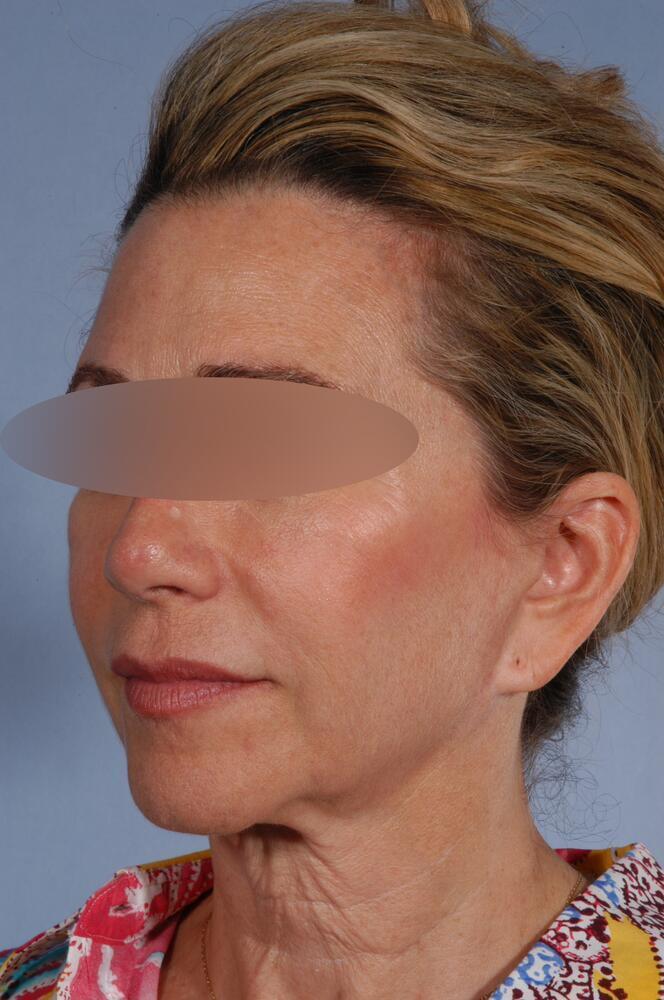
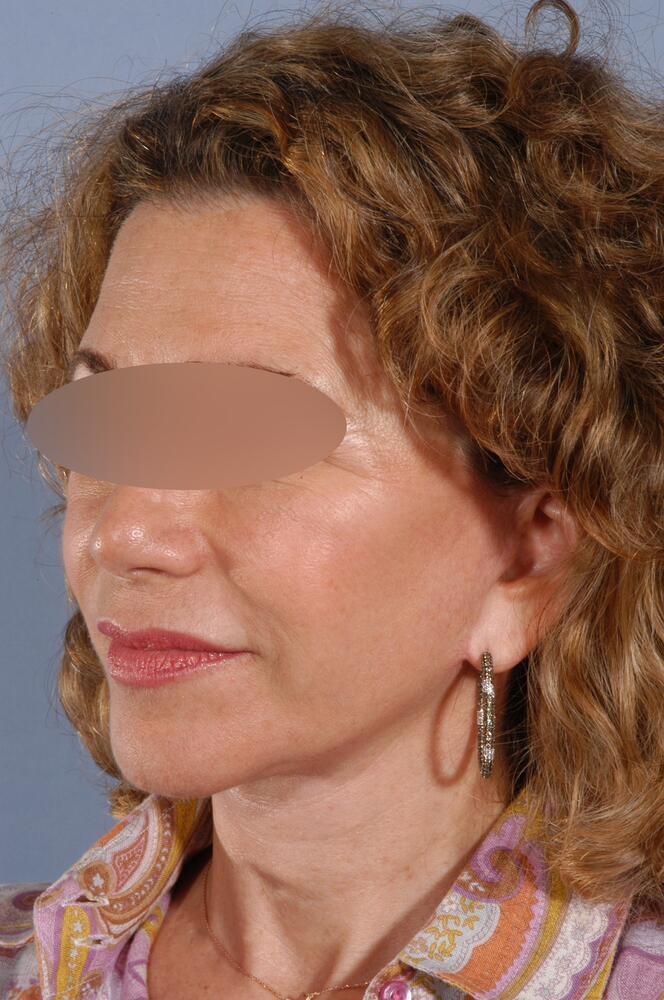
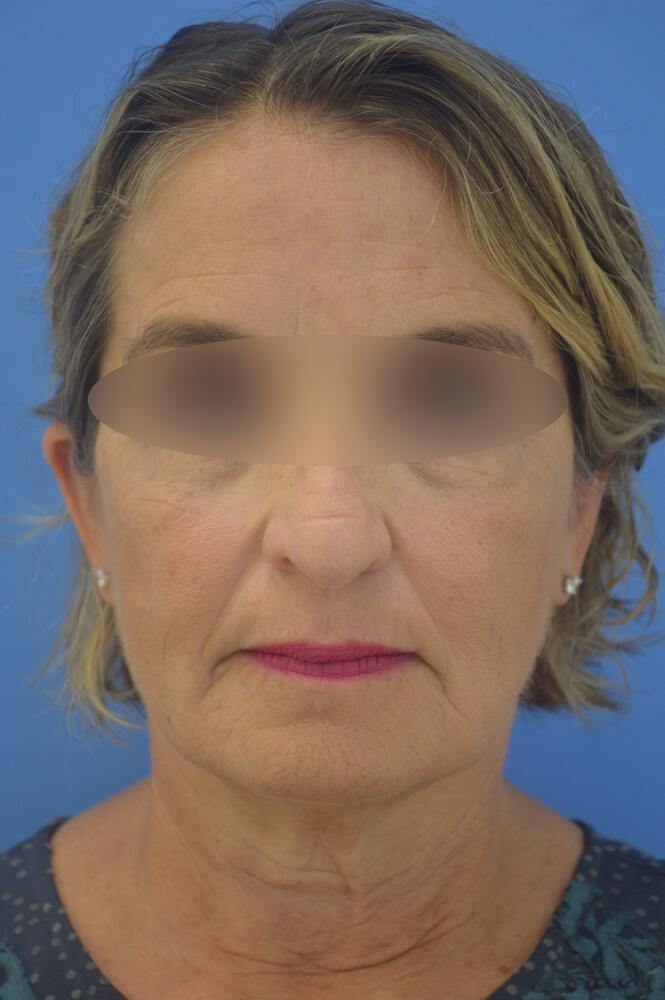
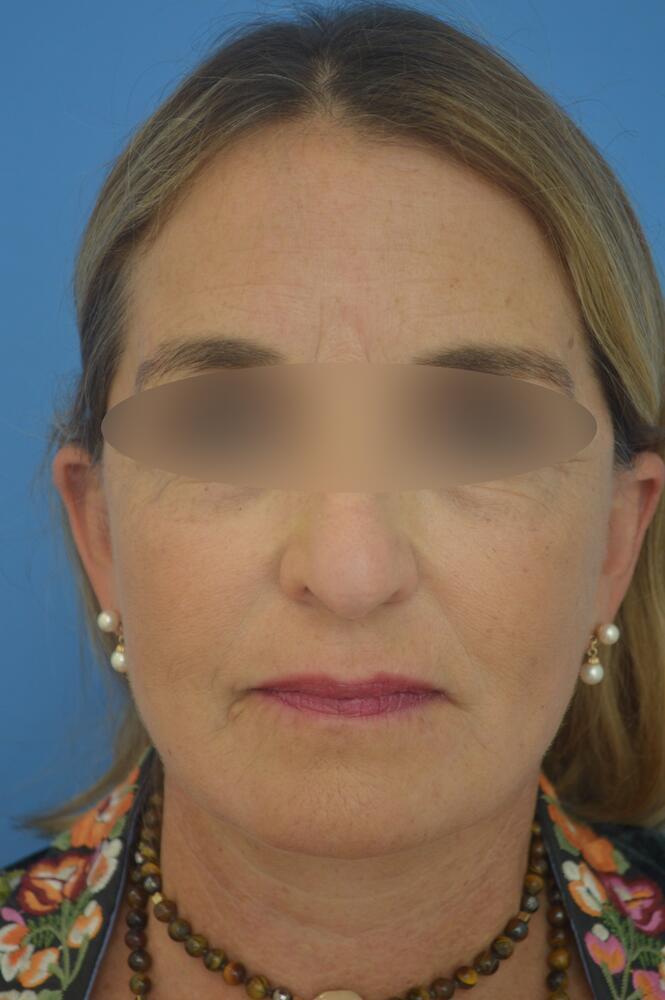
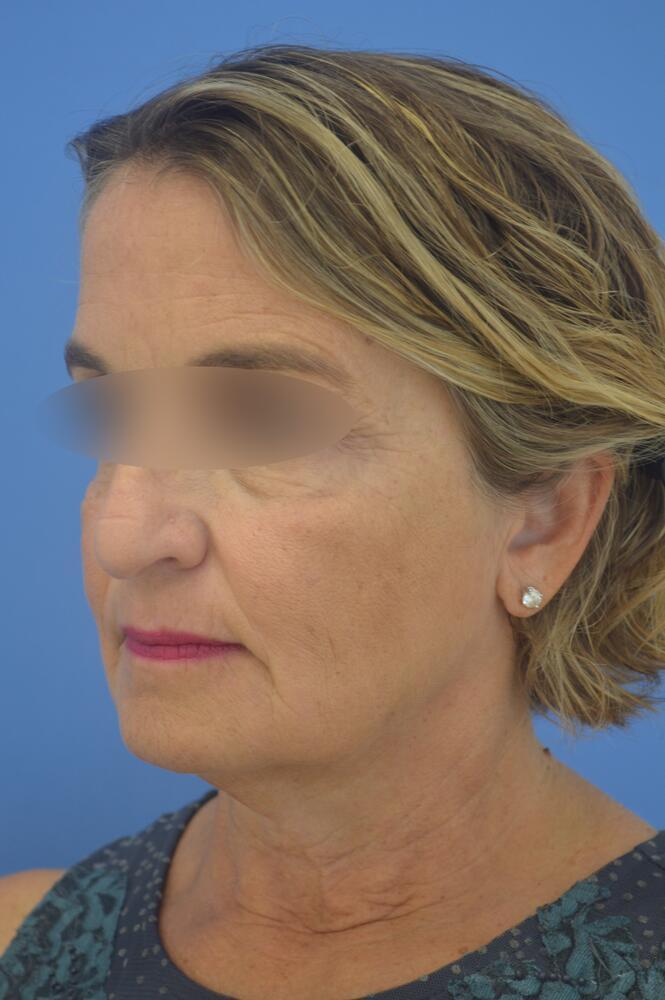
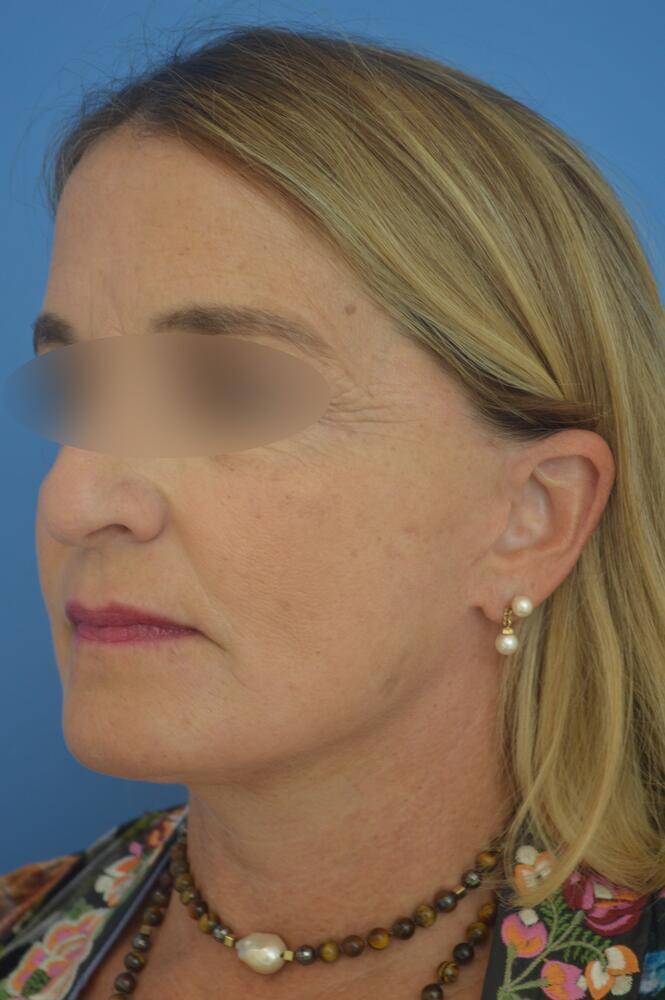
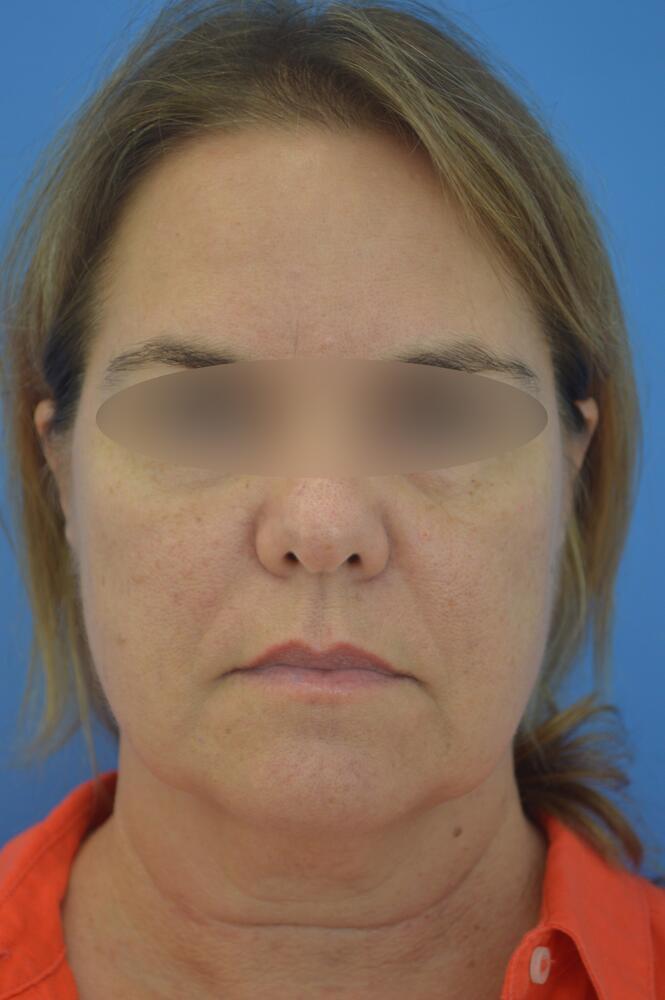
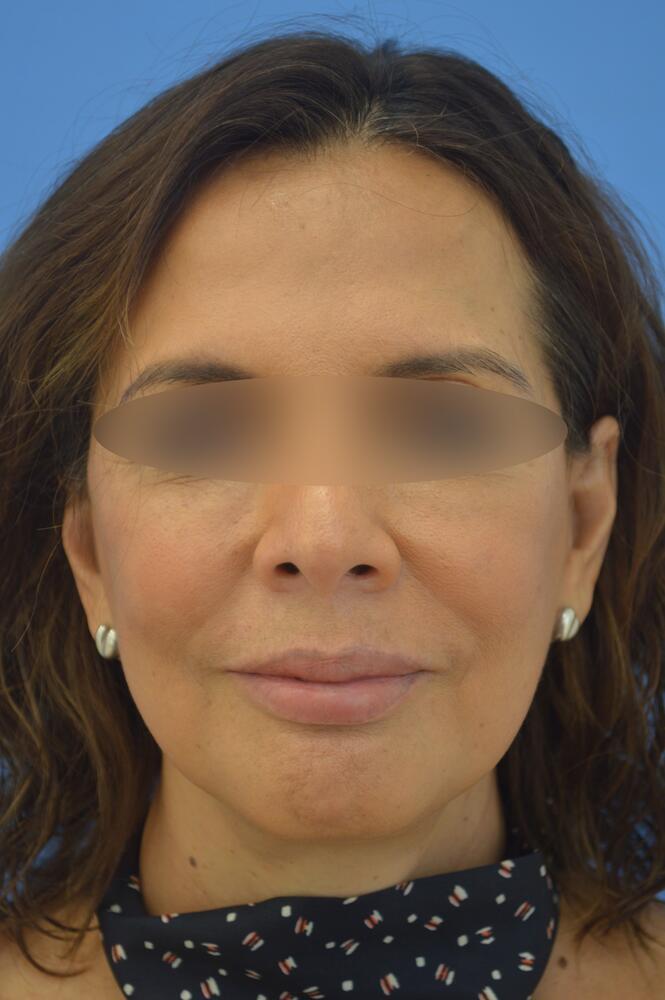
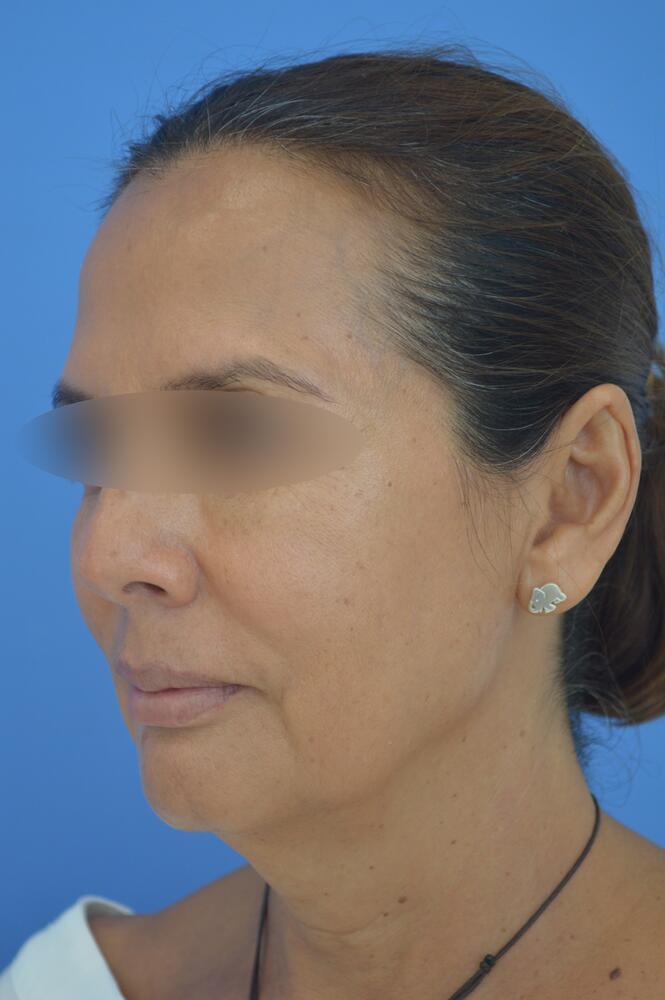
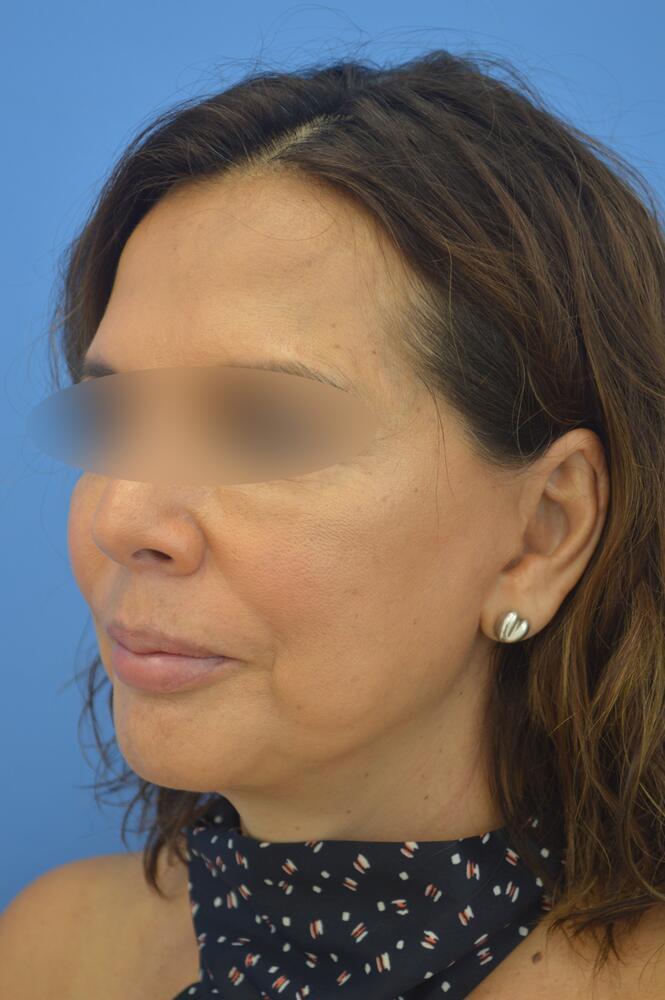
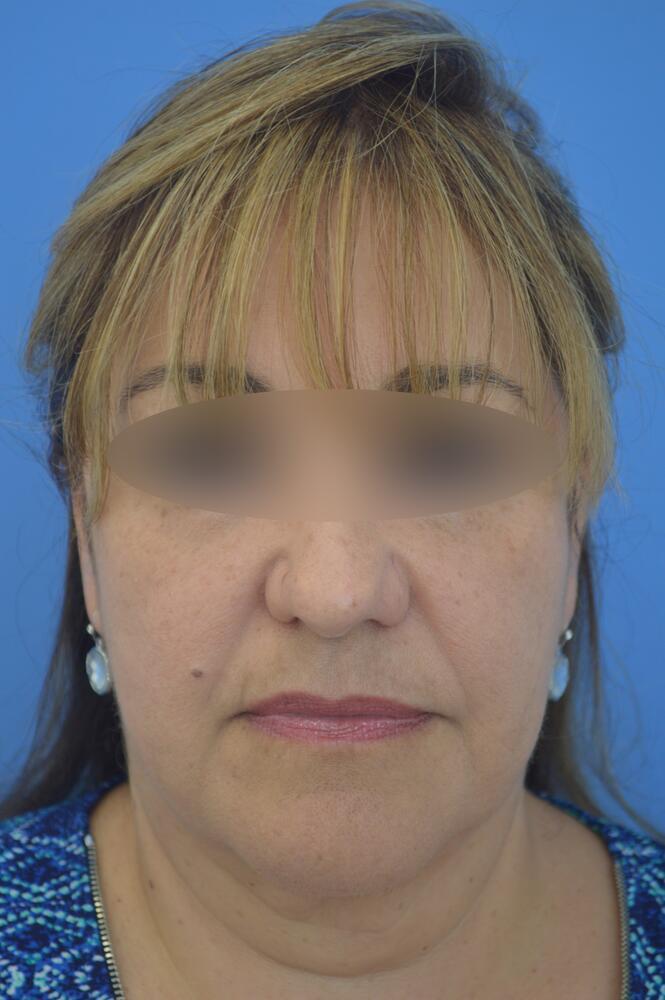
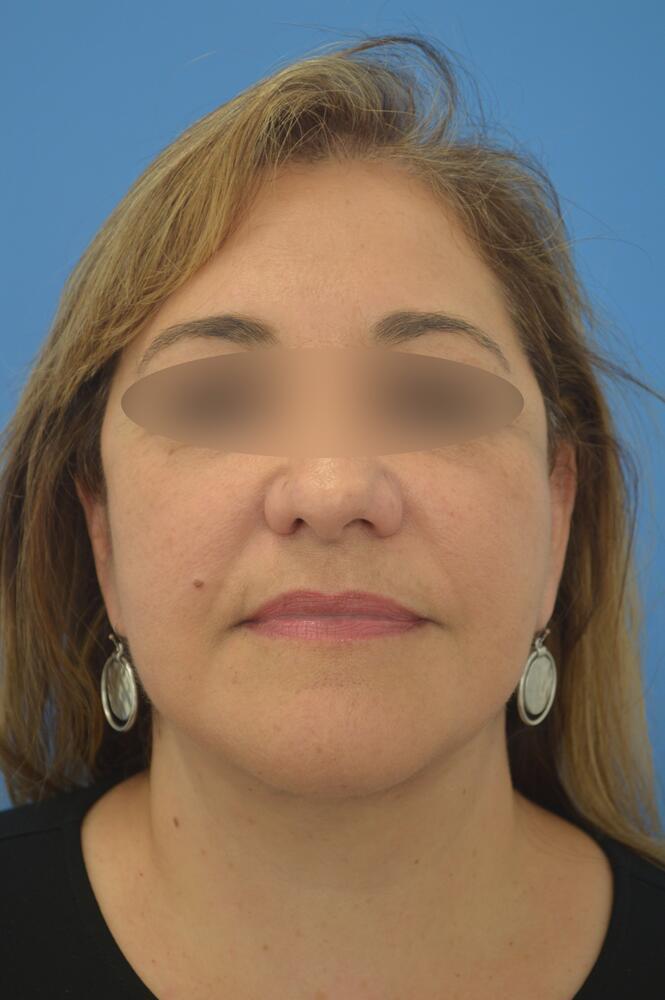
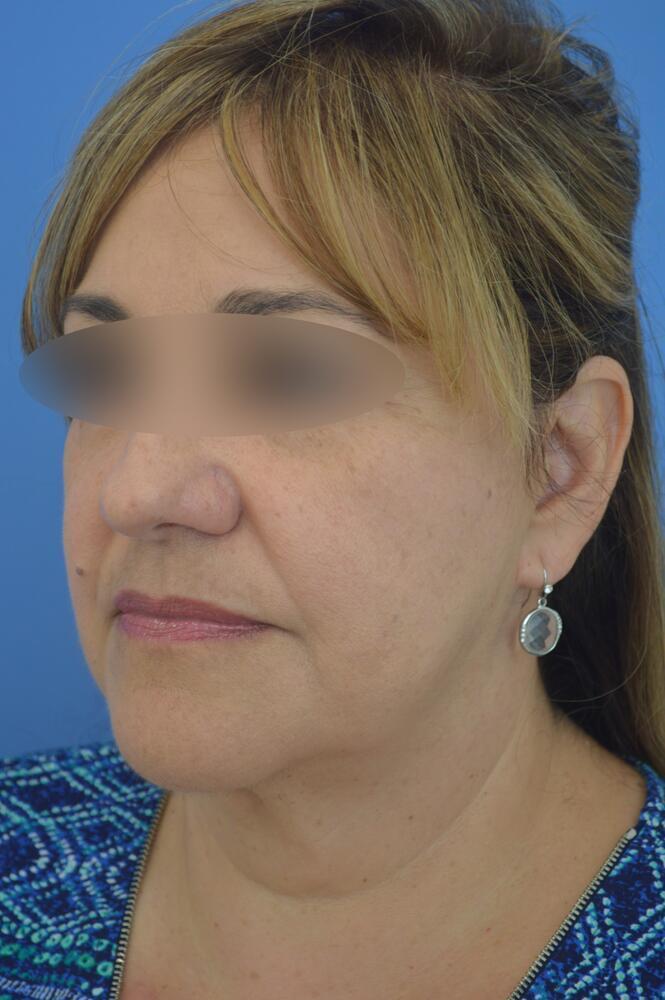
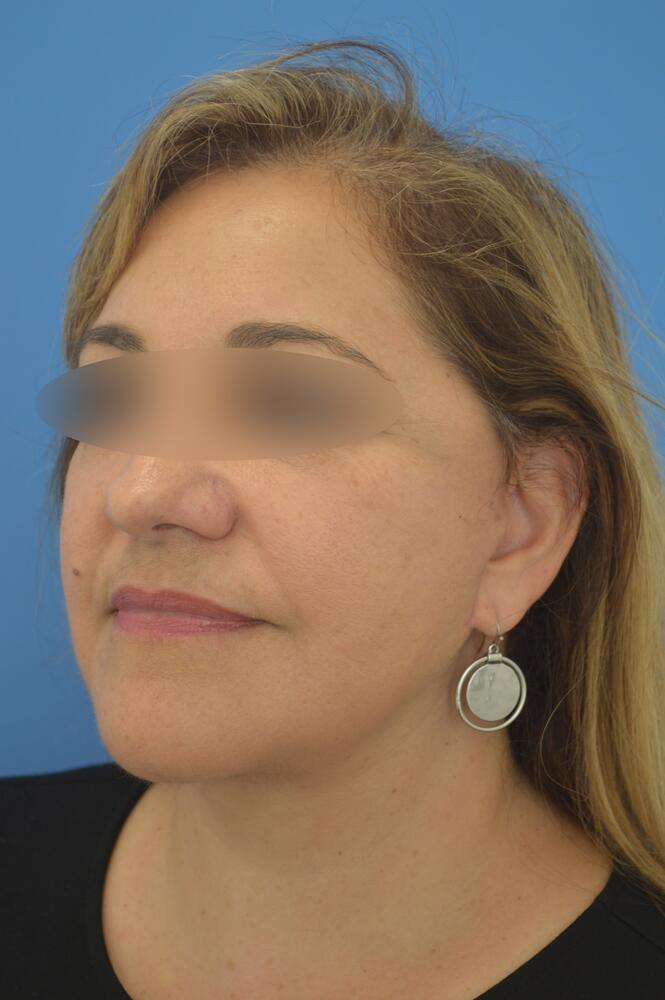
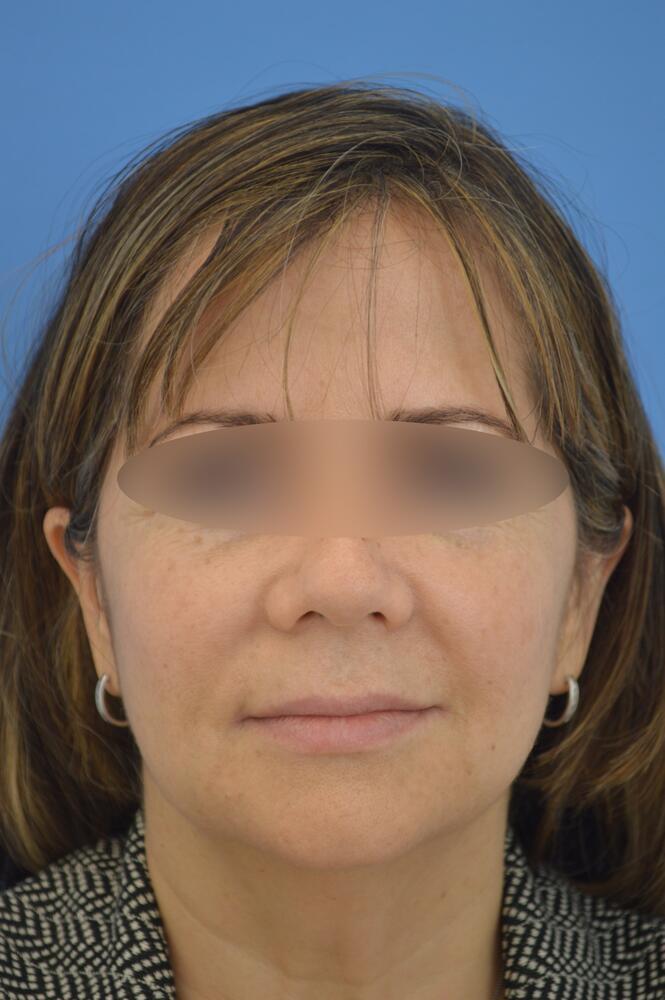
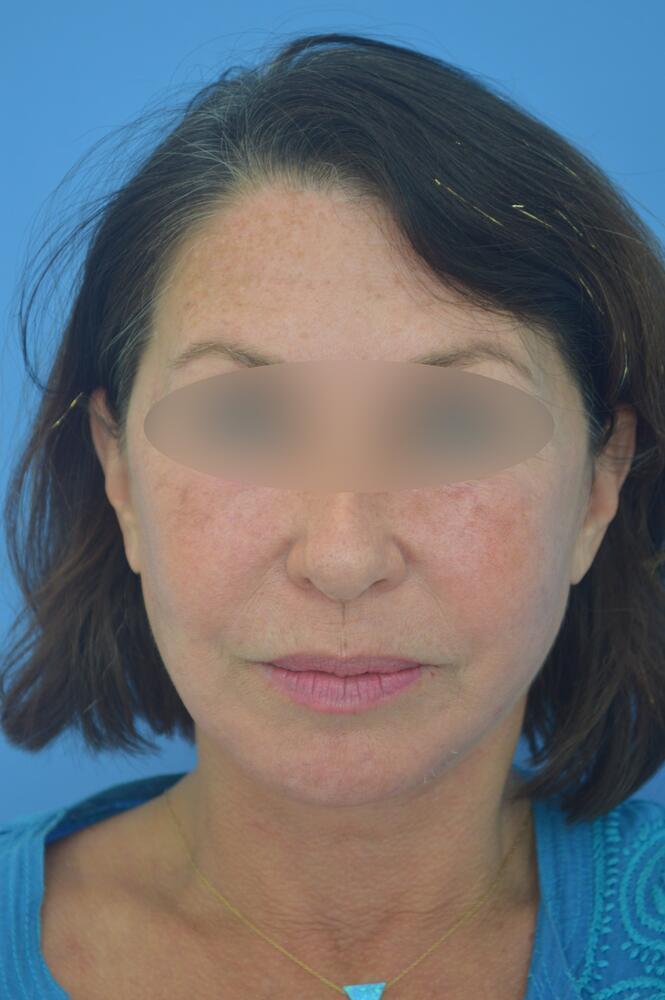
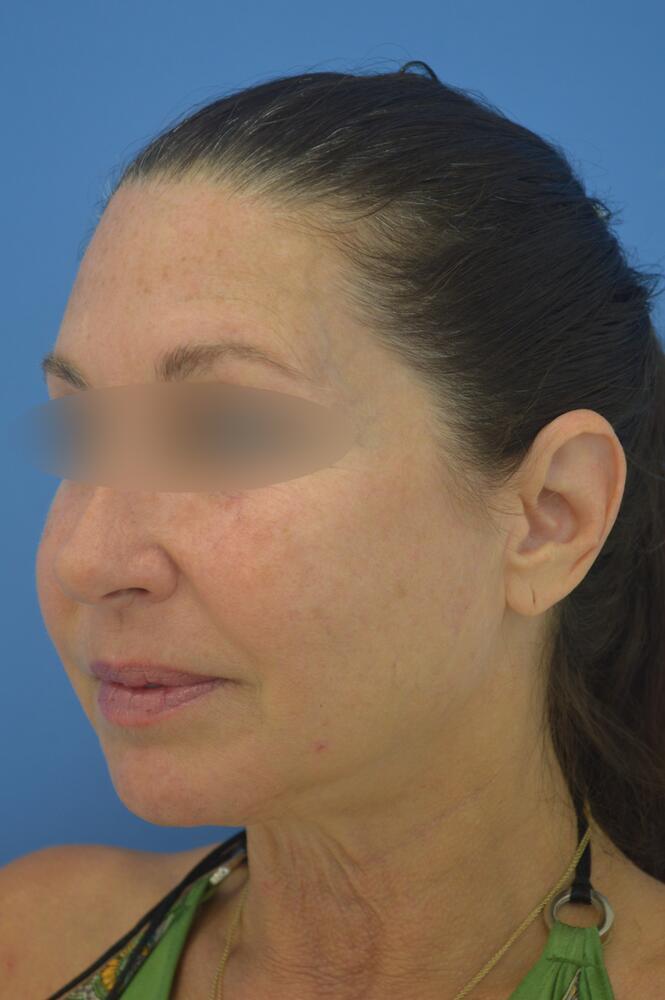
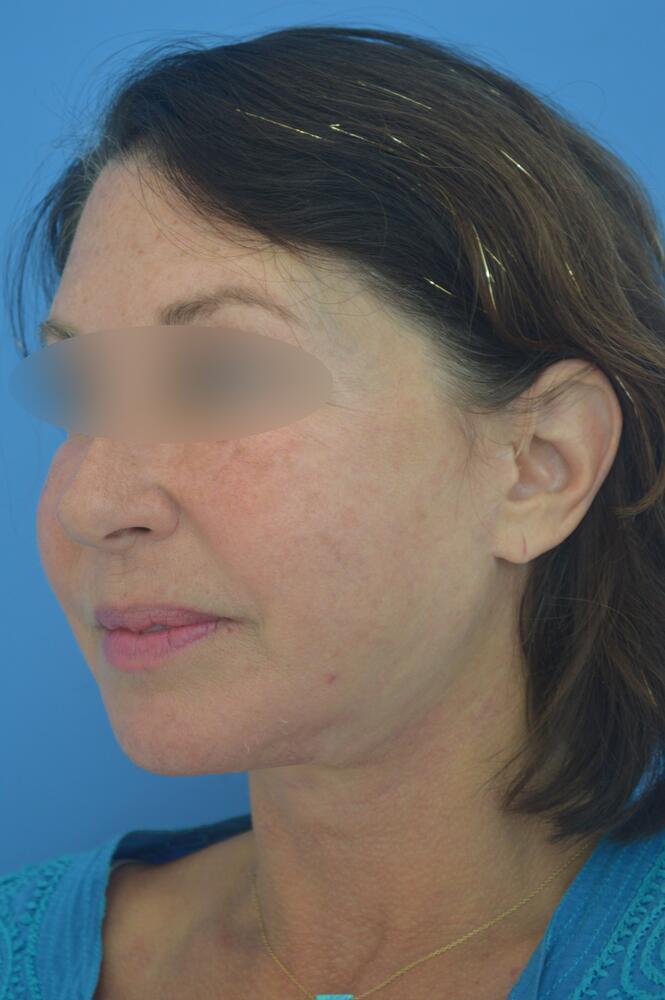
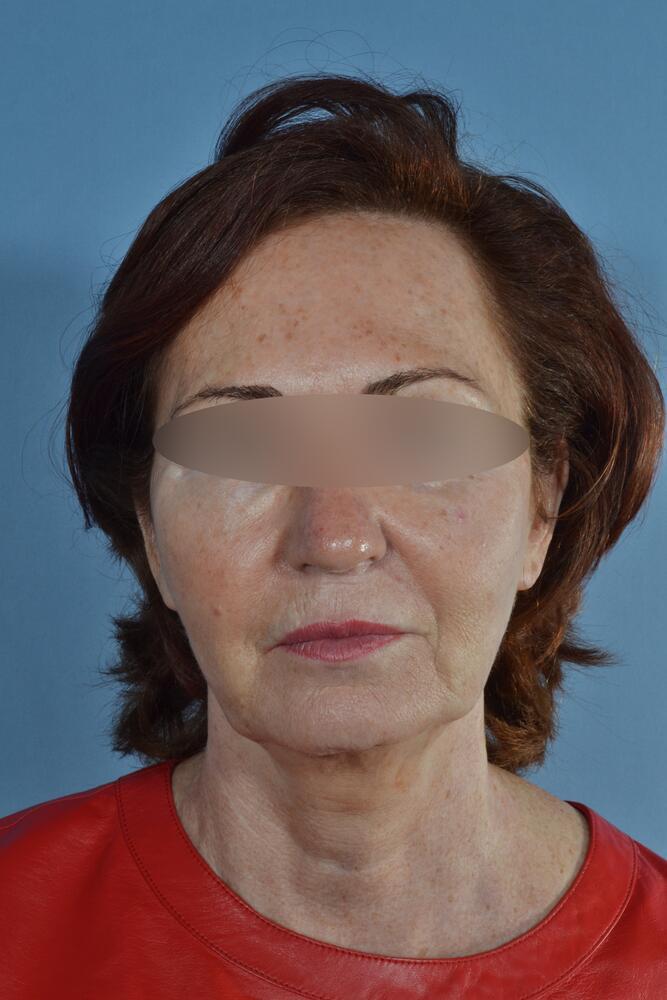
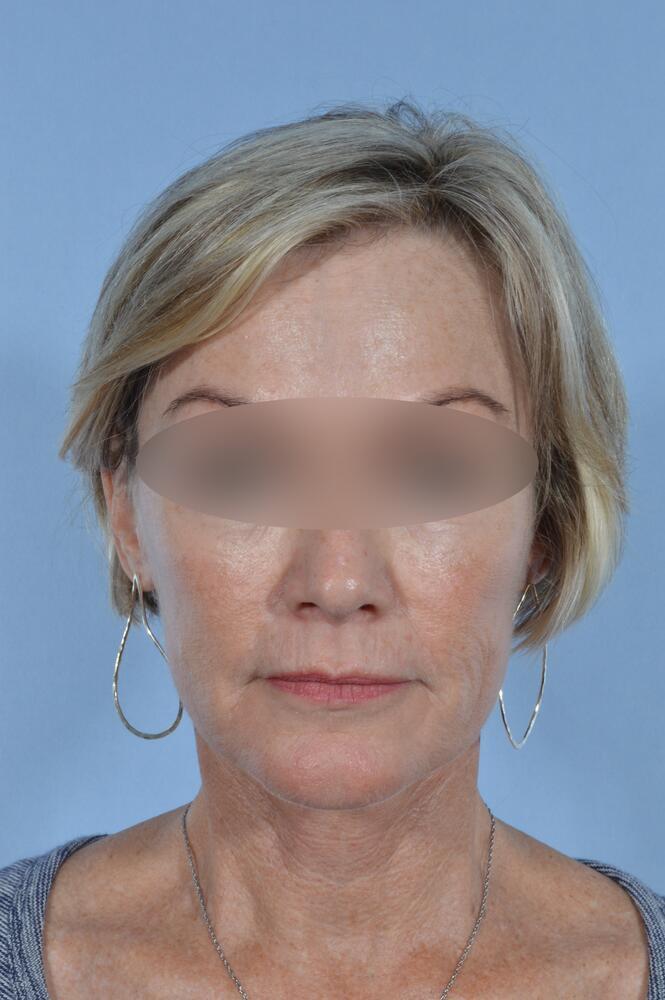
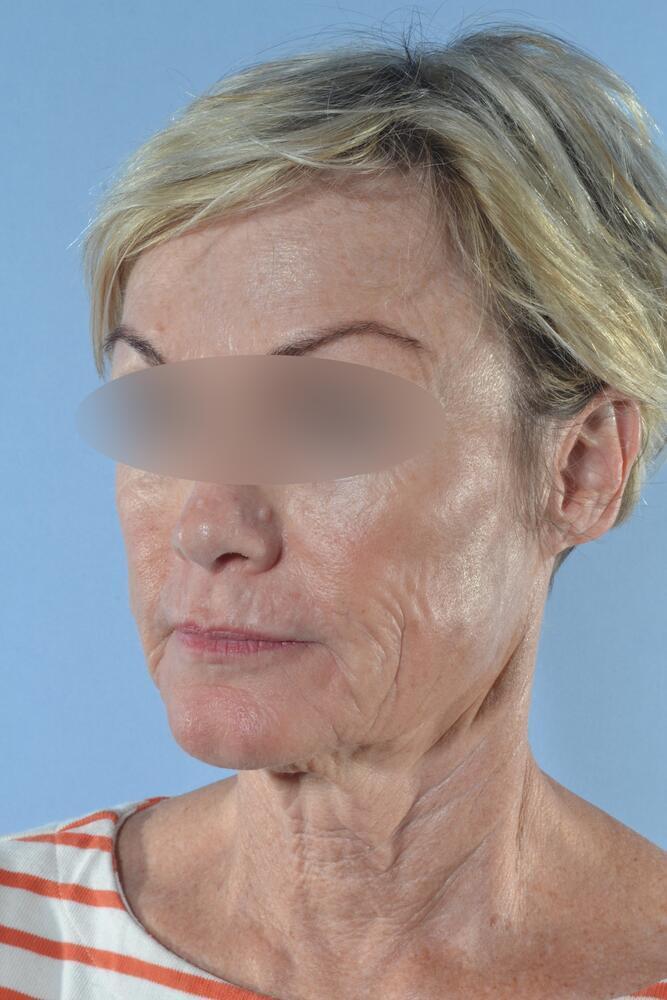
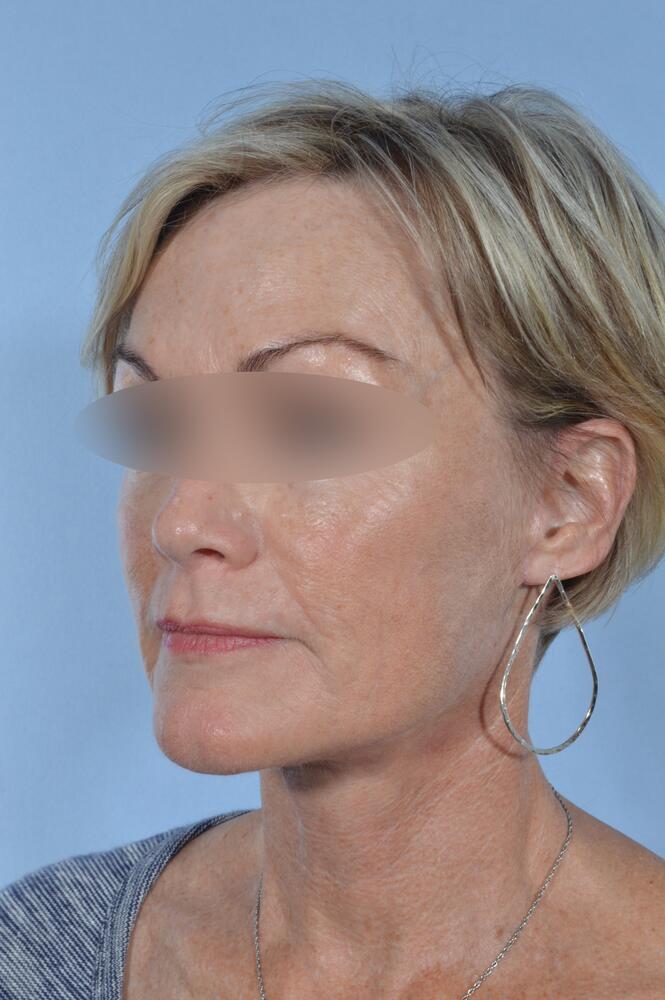
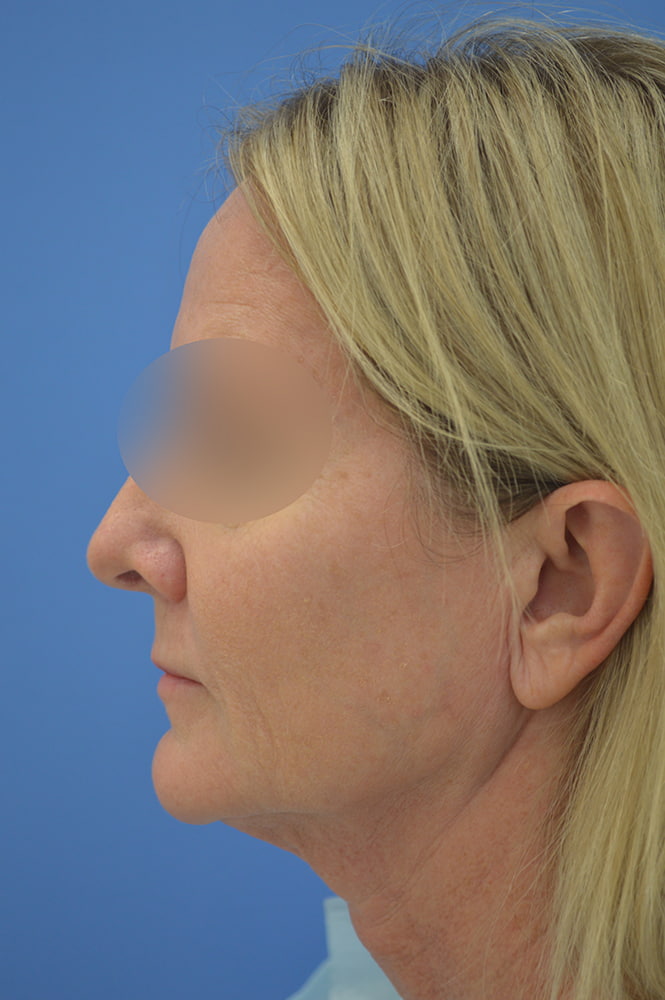
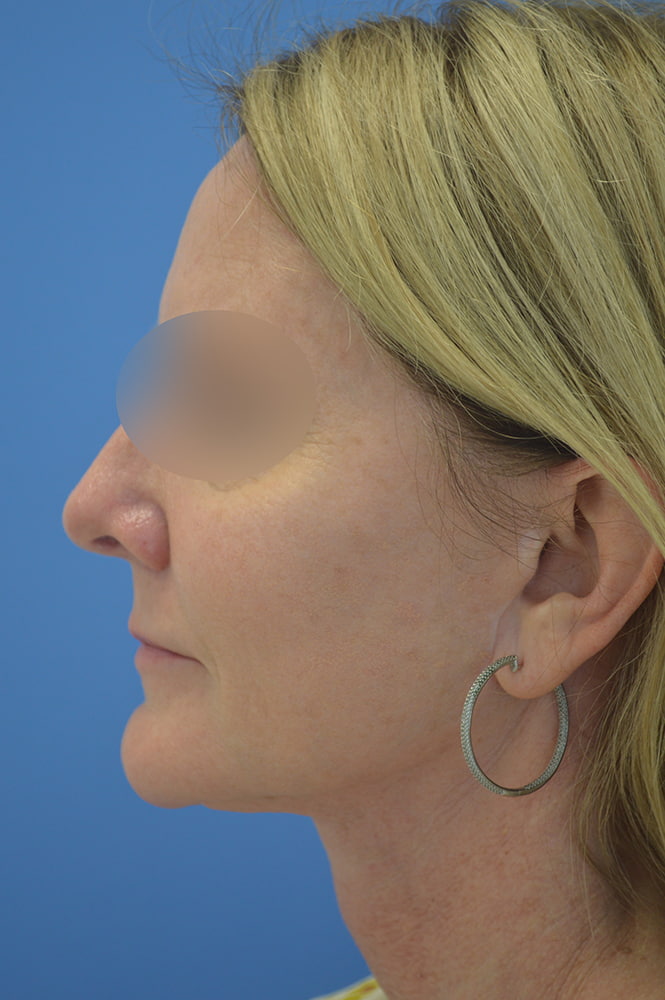
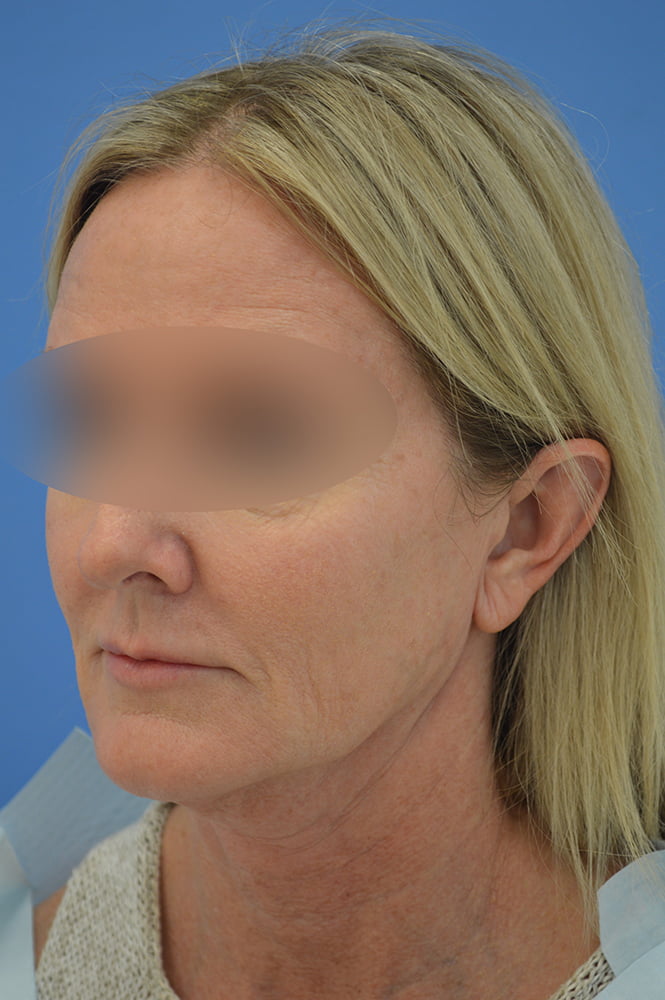
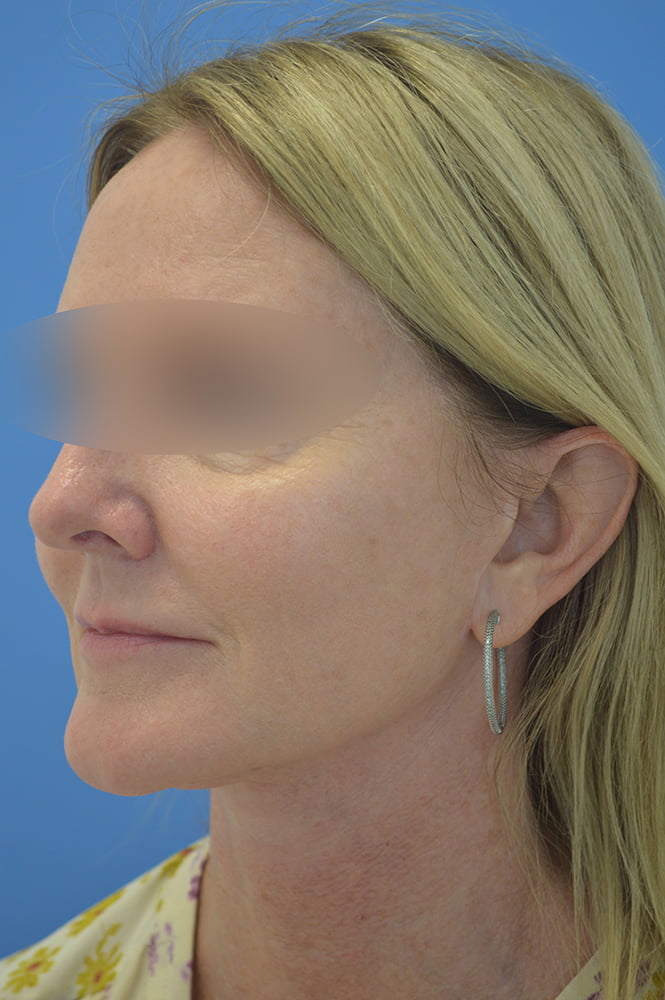
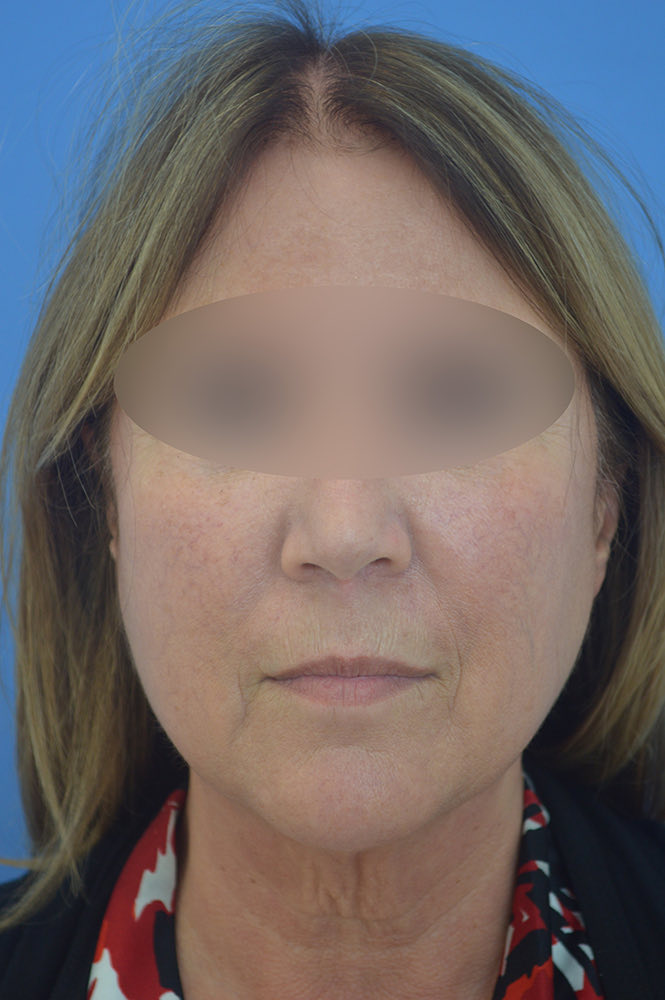
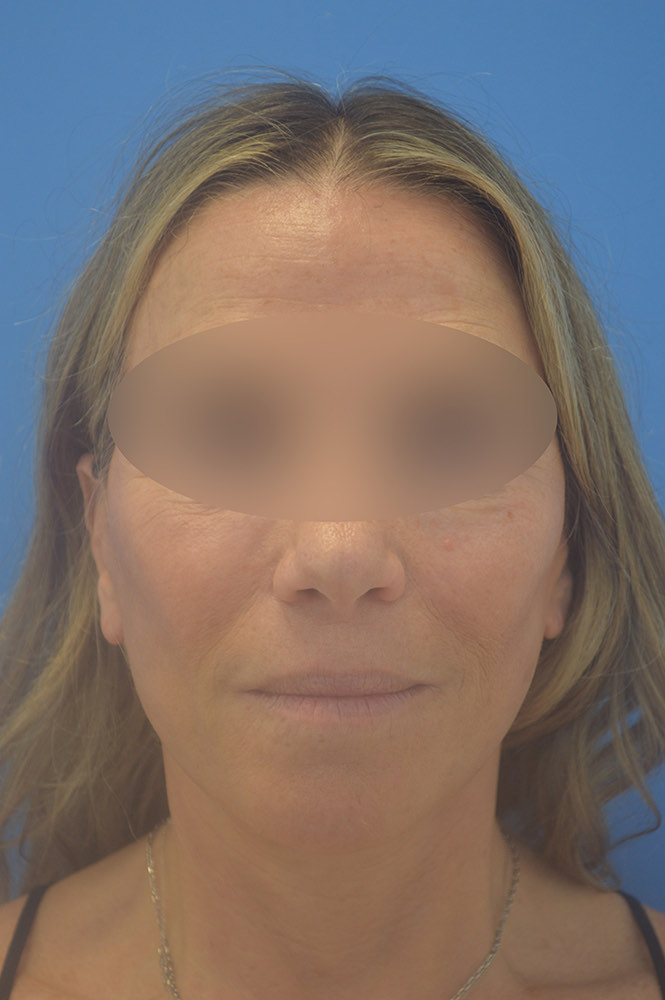
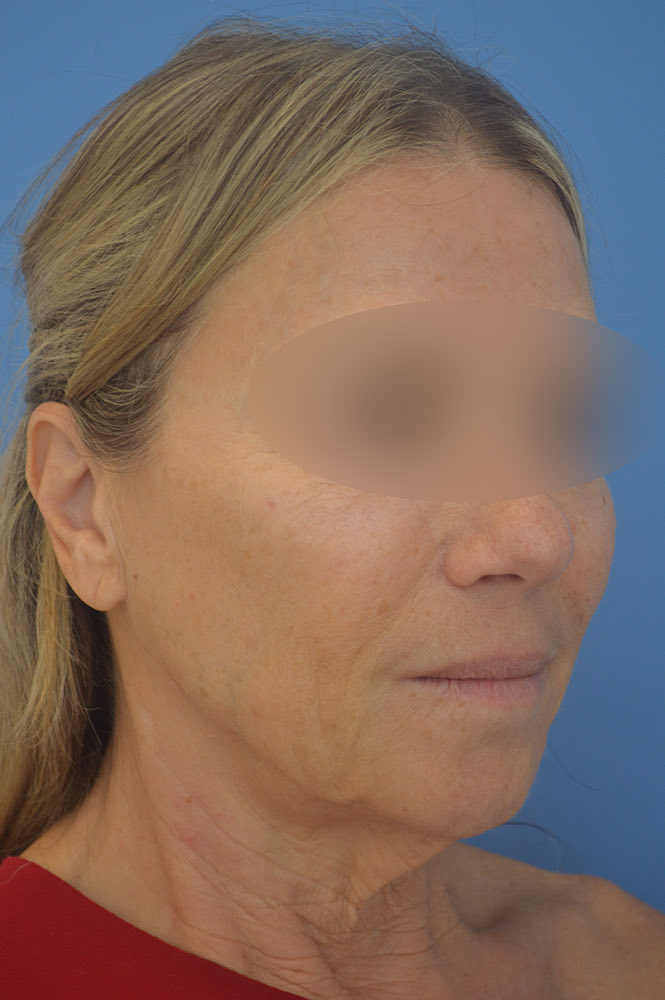
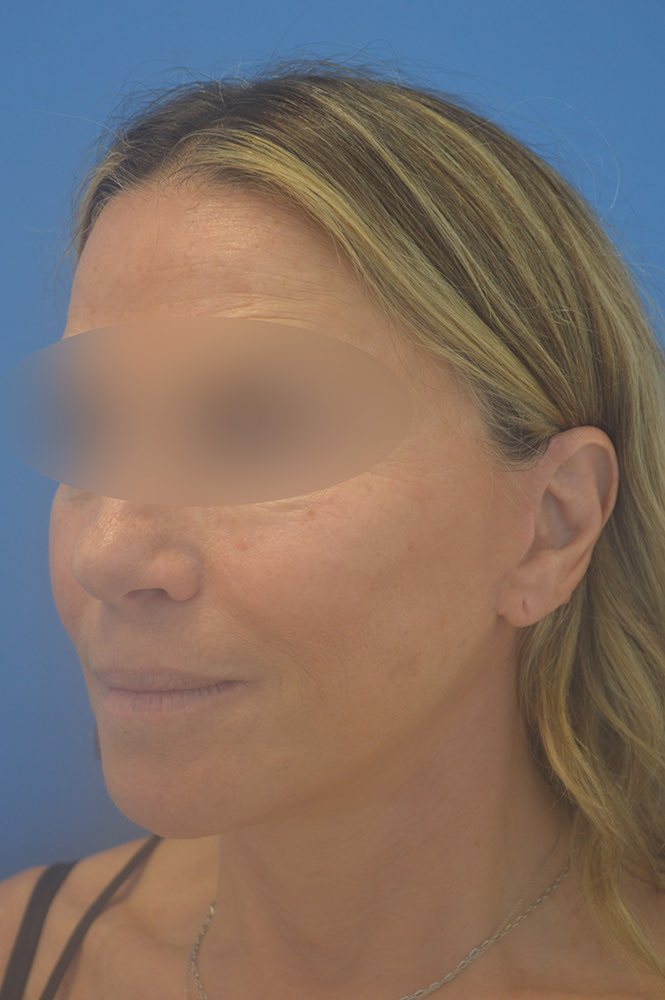
If your jawline is less defined, your cheeks are sagging, or loose skin has changed your neck, a facelift can restore definition that skin treatments and injectables cannot. Dr. Stephan Baker tailors each facelift in Miami to your anatomy, goals, and comfort with surgery and recovery. The aim is to help you look refreshed and younger, while still looking like yourself, with natural improvements from every angle.
A facelift, or rhytidectomy, is a surgical procedure that repositions descended facial tissue and removes excess skin. It primarily addresses the cheeks, jowls, jawline, and lower face. Depending on what you see in the neck, Dr. Baker may recommend a neck lift as part of the same plan. Treating these areas together can keep the transition from the jaw to the neck balanced.
Facelift surgery works both under the skin and at the surface. Dr. Baker lifts and secures the deeper facial support layer, called the SMAS, which sits over the facial muscles, before repositioning the skin. This means the deeper layer provides support, so the skin does not need to be pulled tight. The exact incisions and extent of the facelift depend on your anatomy and the changes you want to make.
A deep plane facelift works below the SMAS, closer to the facial muscles and nerves. Dr. Baker explains that just calling a facelift “deep plane” does not guarantee better or longer-lasting results. “Traditional facelift" is also a broad term. Dr. Baker focuses on where support has loosened, how the skin will be repositioned, and which method fits your facial anatomy. If someone says a deep plane lift is the only way to get a natural result, ask your surgeon what will actually be done to your cheeks, jawline, and neck, and why. Your consultation should give you a clear surgical plan, not just a promise based on a technique name.
A well-planned facelift can reduce jowls, tighten sagging skin along the jawline, and lift tissue that has settled in the cheeks and lower face. These changes help restore clearer facial contours while keeping your features recognizable. If neck surgery is included, it can also tighten loose neck skin and improve your profile. The amount of change depends on your skin quality, facial structure, past treatments, and how much looseness you have.
A facelift can reduce some deep lines, but it will not remove every wrinkle or bring back lost volume by itself. Fine lines, sun damage, and uneven skin texture may need other treatments. Hollow areas in the temples or cheeks might be better treated with fat grafting or fillers. Dr. Baker can explain which concerns surgery can help and which may need a different solution.
Different facial rejuvenation procedures target different signs of aging, since not all changes come from sagging tissue. An eyelid lift can remove extra skin around the eyes. Fillers or fat grafting can restore lost volume, and skin treatments can improve texture. These treatments address different needs than a facelift. Sometimes, a full plan may combine several options, but each one has its own recovery time, cost, and risks. Ask Dr. Baker which concern each treatment is meant to address and if it makes sense to do them at different times.
Facelift surgery mainly targets sagging tissue in the middle and lower parts of the face. If you are also worried about heavy eyelids, bags under your eyes, a low brow, or hollow cheeks, Dr. Baker can help decide if eyelid surgery, a brow lift, or fat grafting should be included. These extra procedures focus on different areas. You do not always need to combine them. Doing more than one operation can affect anesthesia time, recovery, cost, and risk. The decision should be based on your exam and what matters most to you. It is perfectly fine to treat one area now and leave another for later.
A full facelift and a mini facelift are designed for different levels of facial aging and sagging. A mini facelift may be right for someone with early signs of aging and mild looseness who wants a smaller change. A full facelift is better when the cheeks, jowls, jawline, or neck need more correction. The best procedure depends on which tissues need to be moved, not just your age or a wish for a quicker recovery.
If you are comparing options, read about Dr. Baker's mini facelift in Miami. At your consultation, he can show you where a limited operation may help and where it would leave your main concern untreated. A larger procedure is worthwhile only when its likely improvement justifies the additional surgery and healing for you.
Dr. Baker is a board-certified plastic surgeon, certified by both the American Board of Plastic Surgery and the American Board of Surgery. His Miami practice focuses on careful planning, natural-looking results, and honest discussions about what cosmetic surgery can do. His training in facial plastic surgery allows him to assess your cheeks, jawline, neck, skin, and volume as a whole. This helps him recommend the right amount of facial surgery for you, rather than using the same operation for everyone.
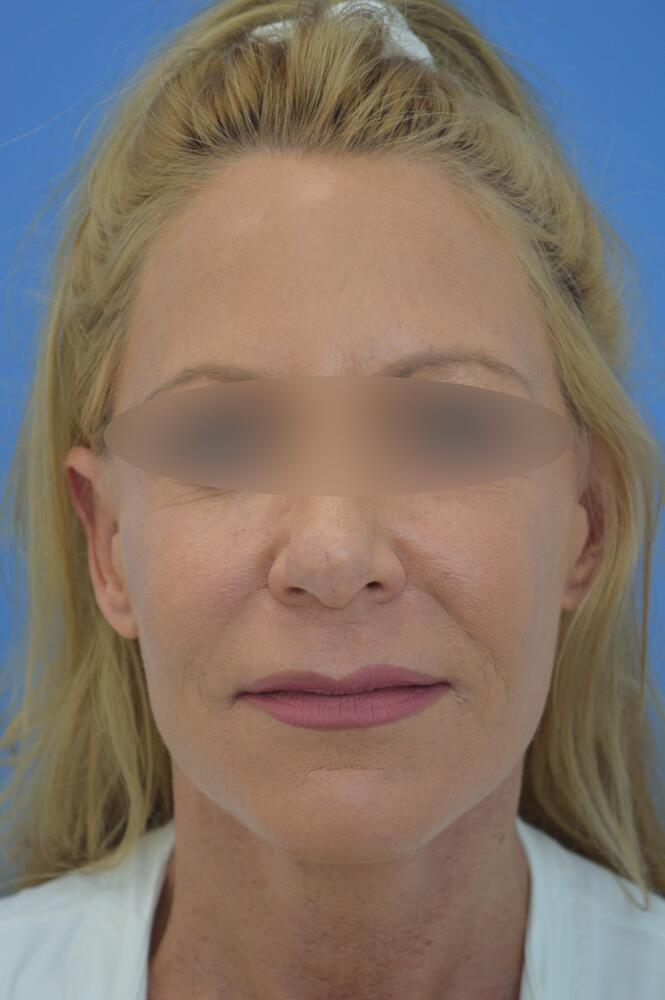
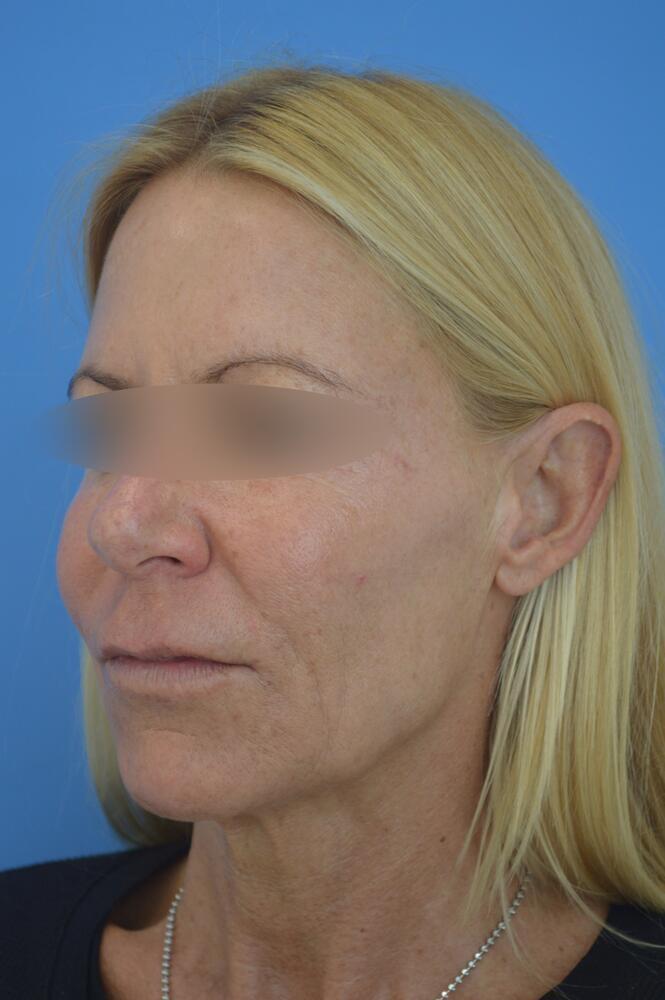
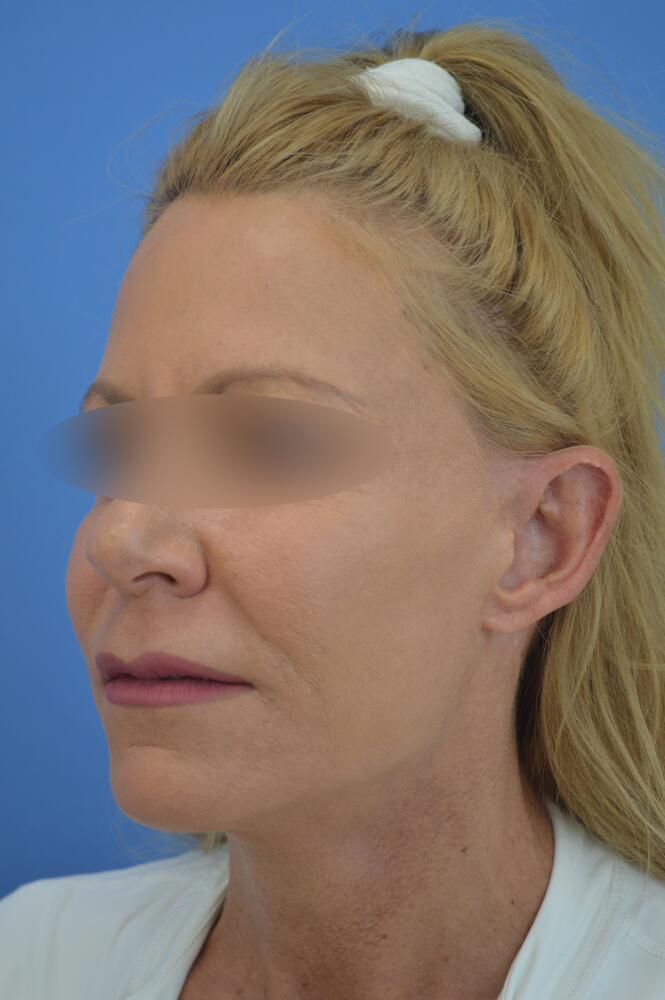
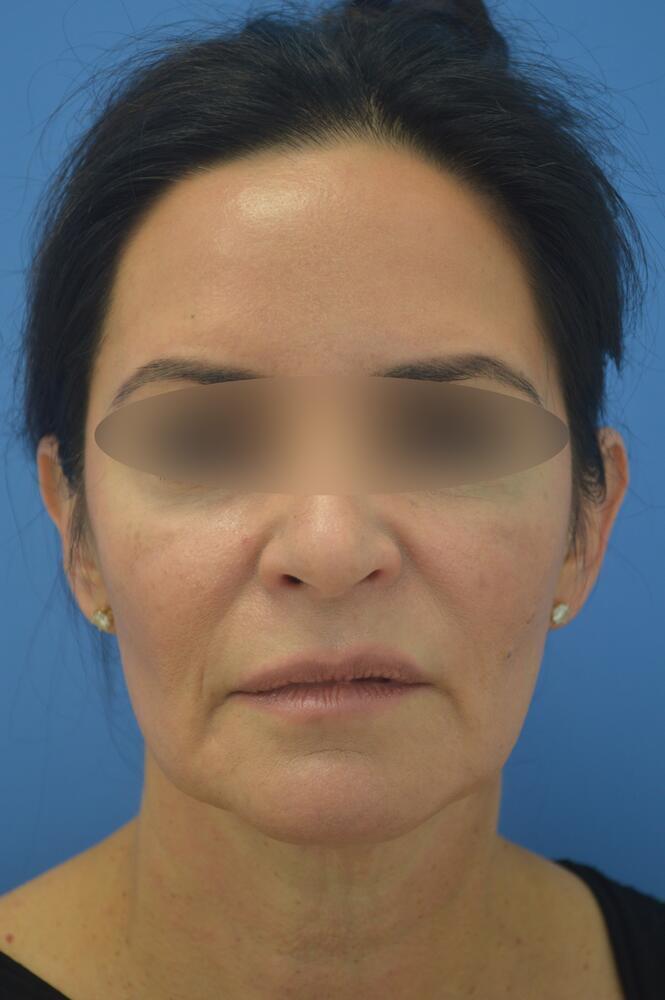
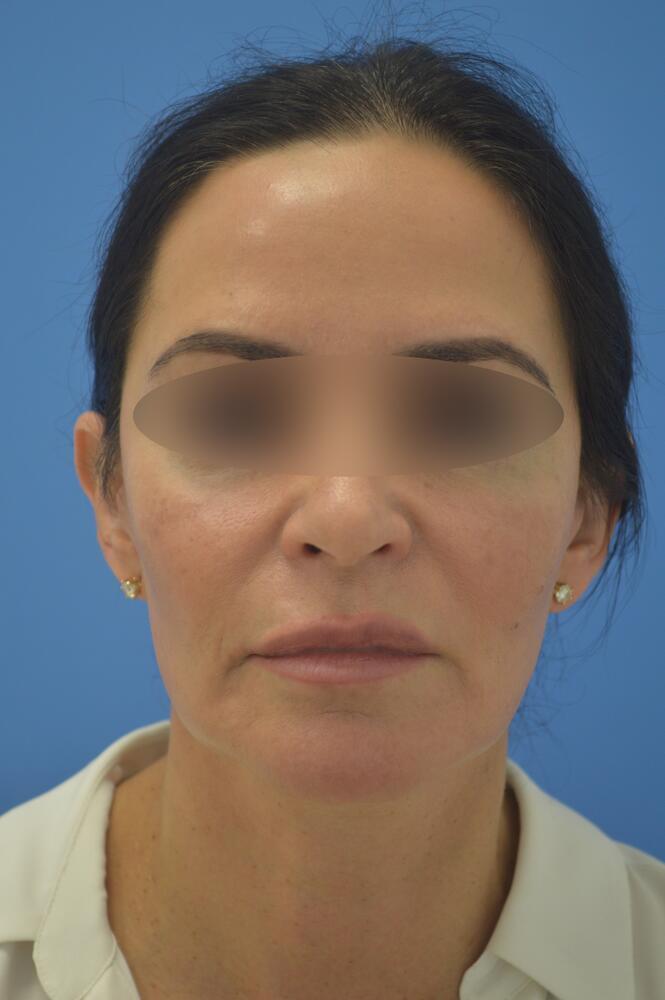
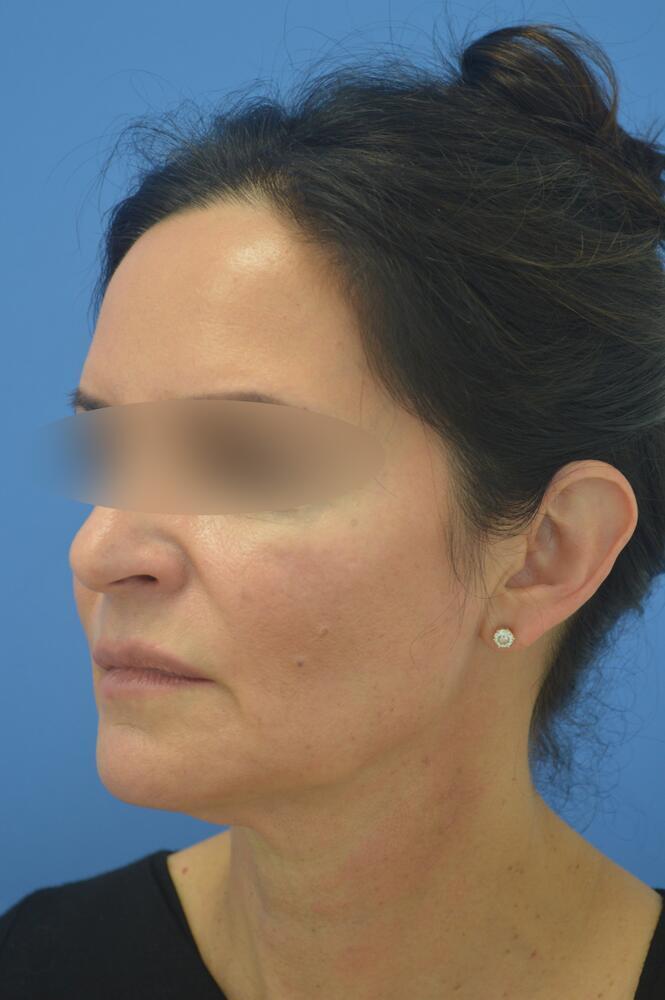
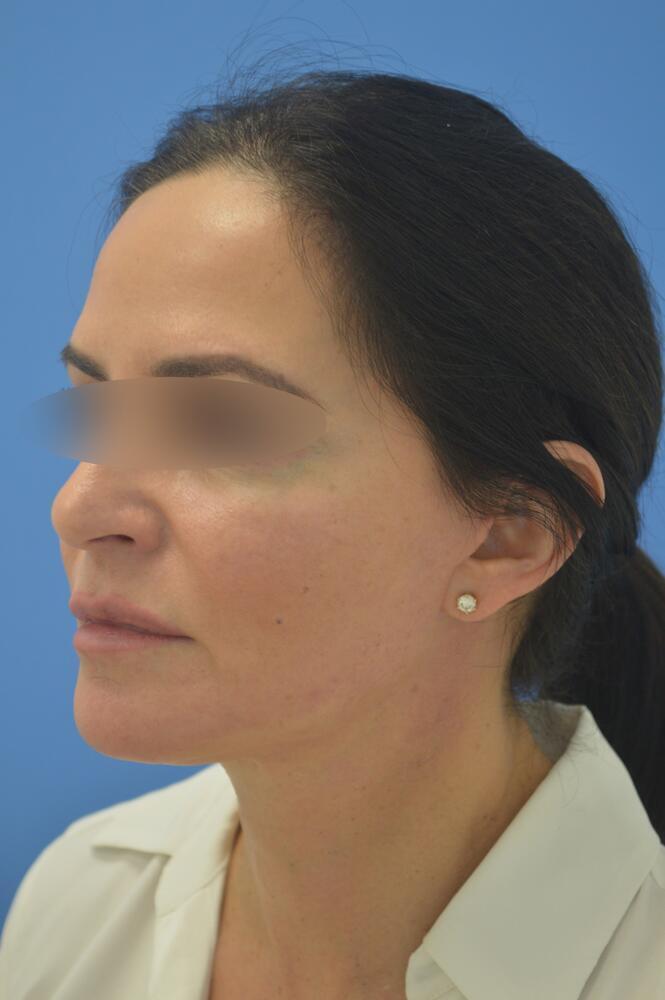
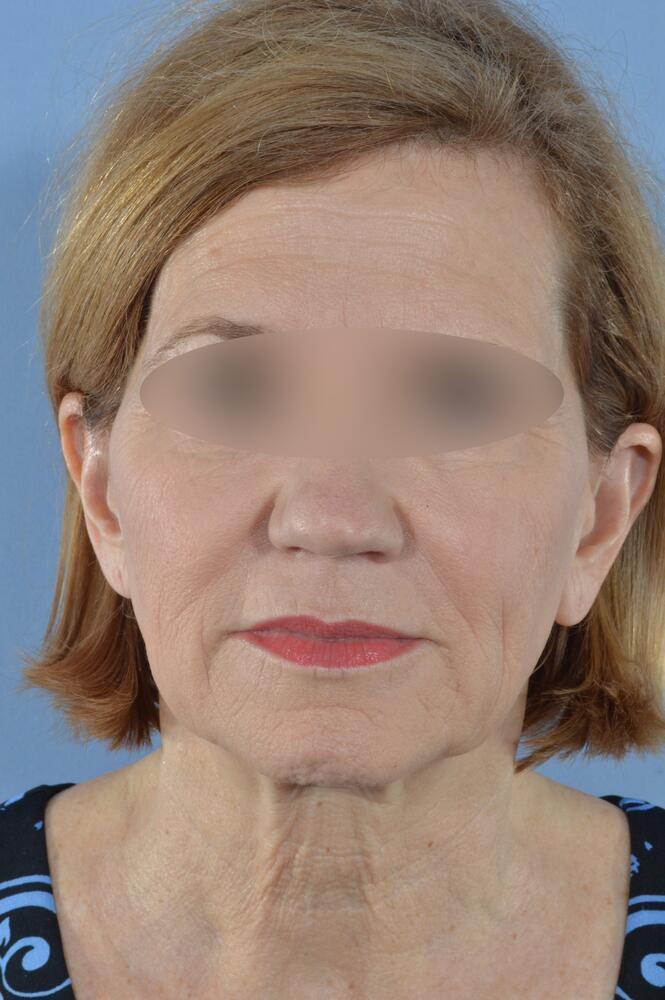
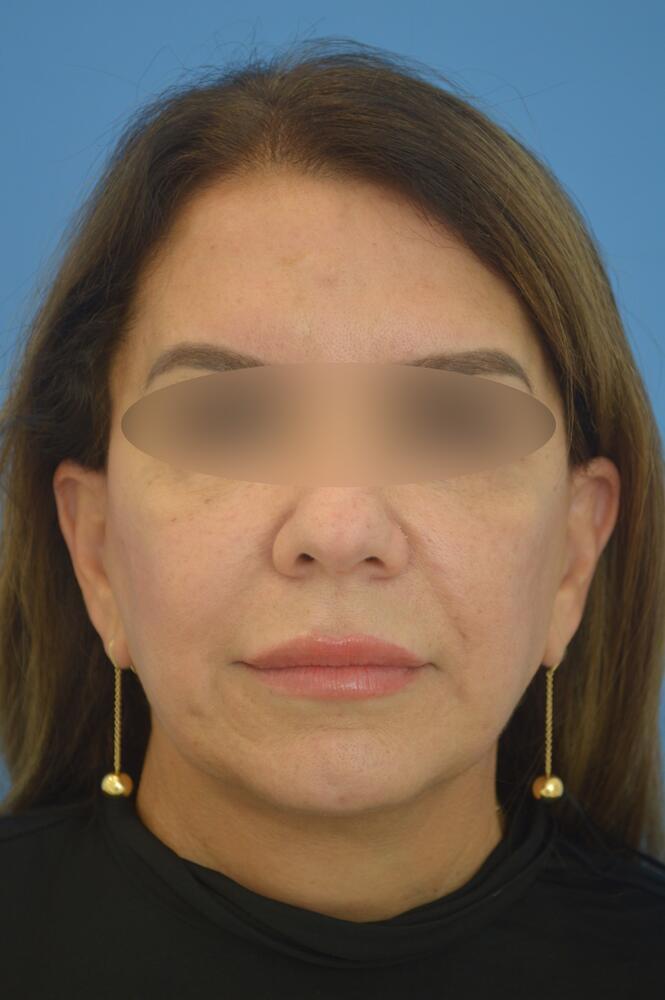
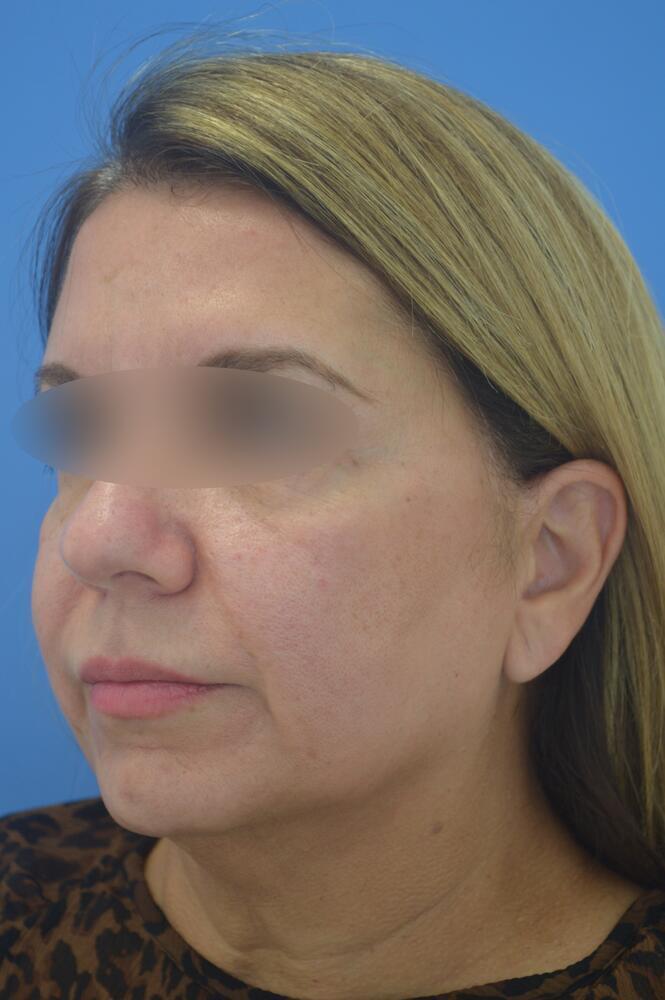
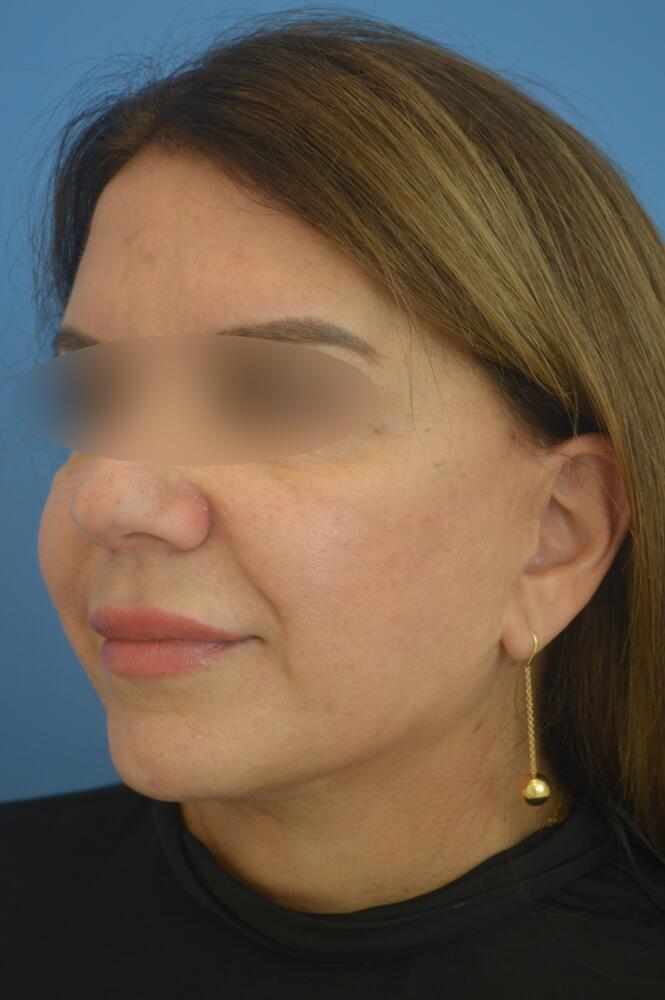
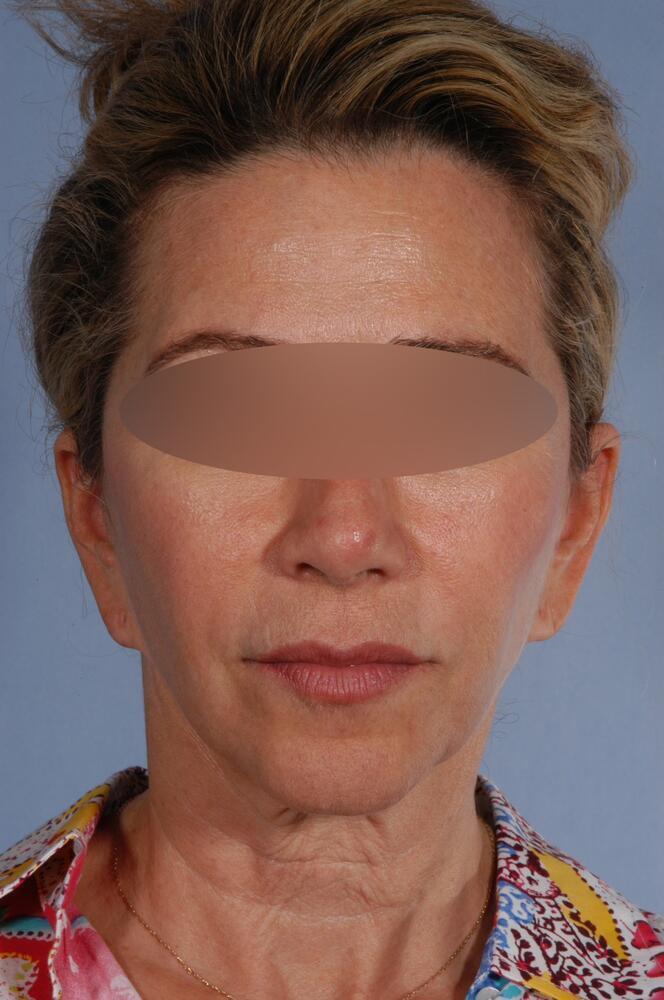
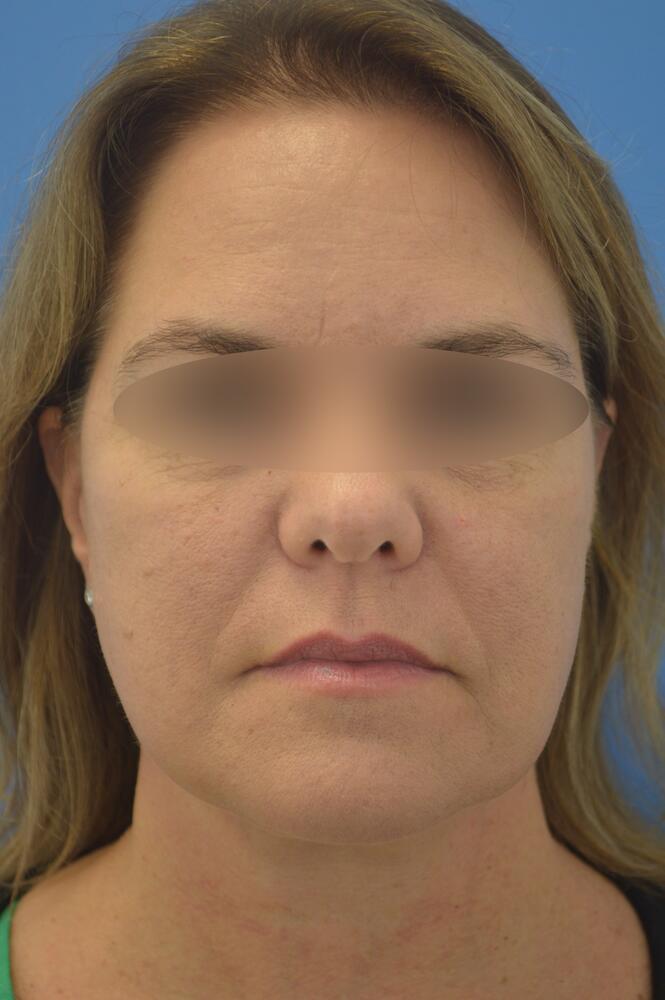
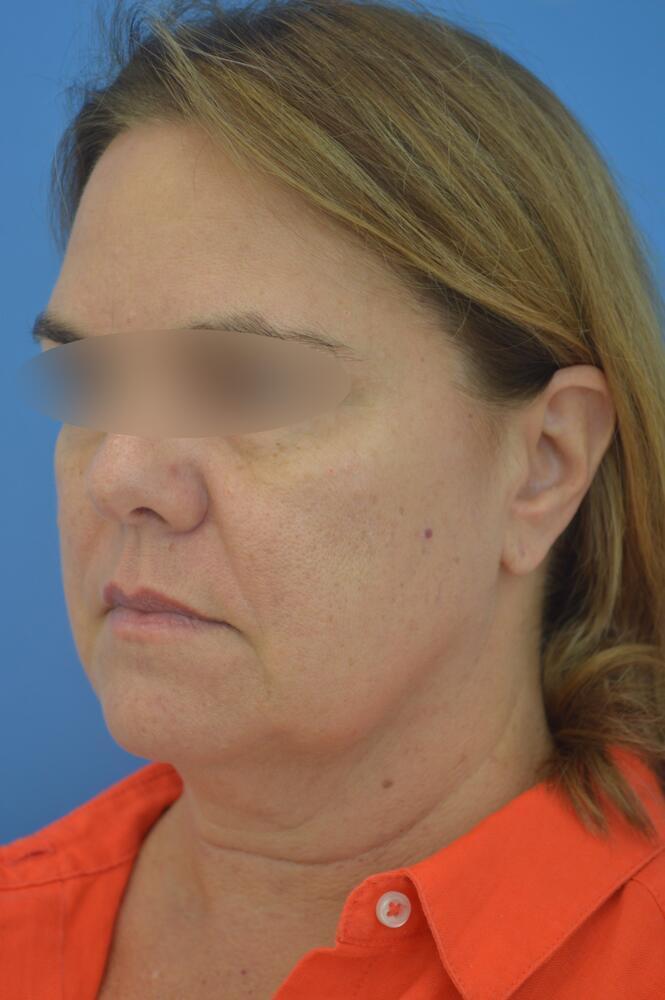
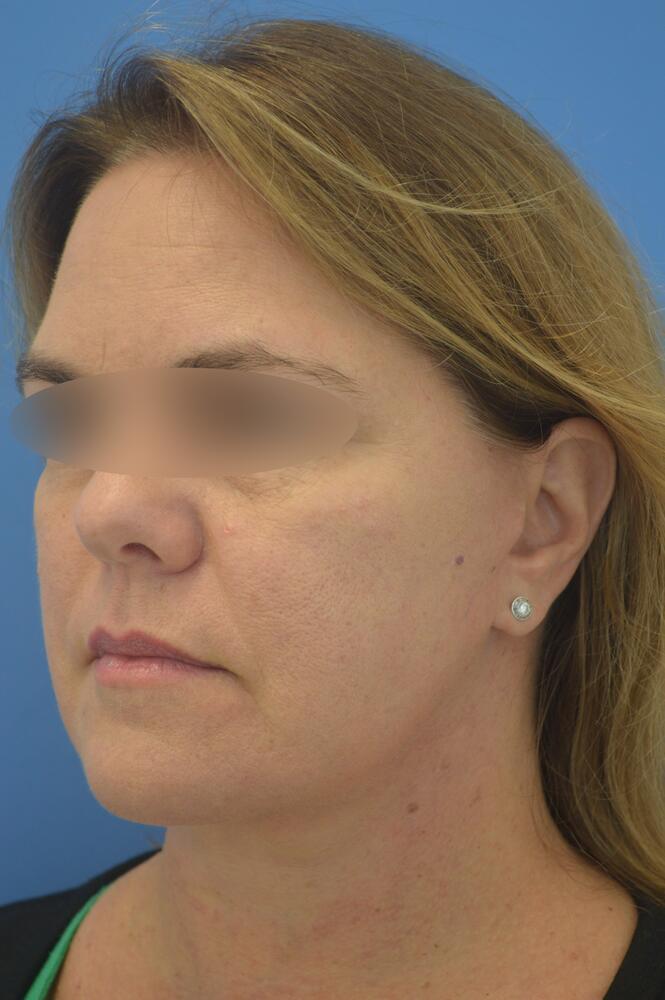
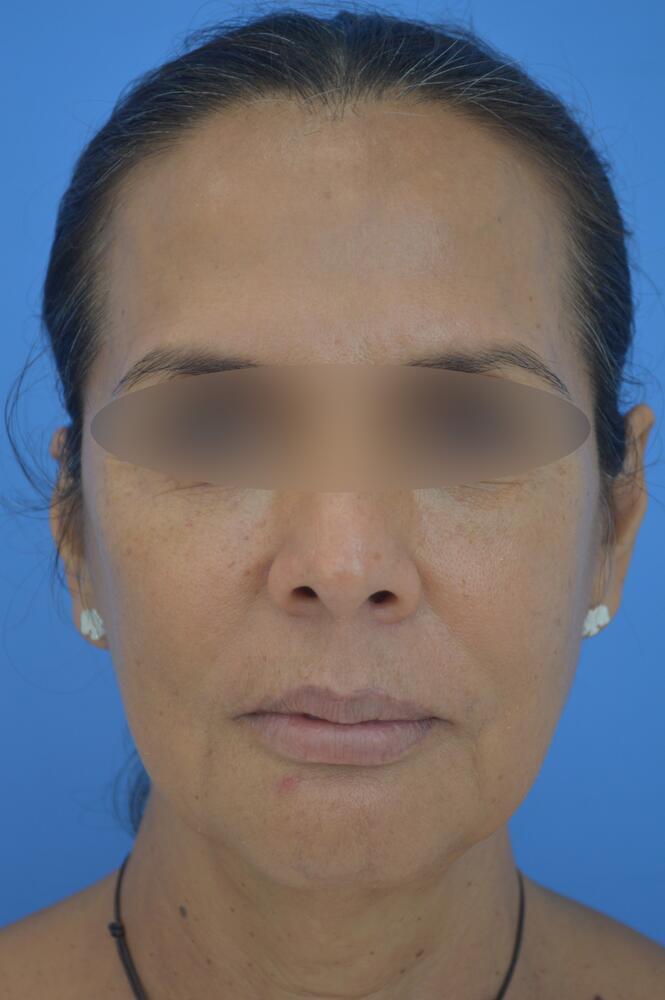
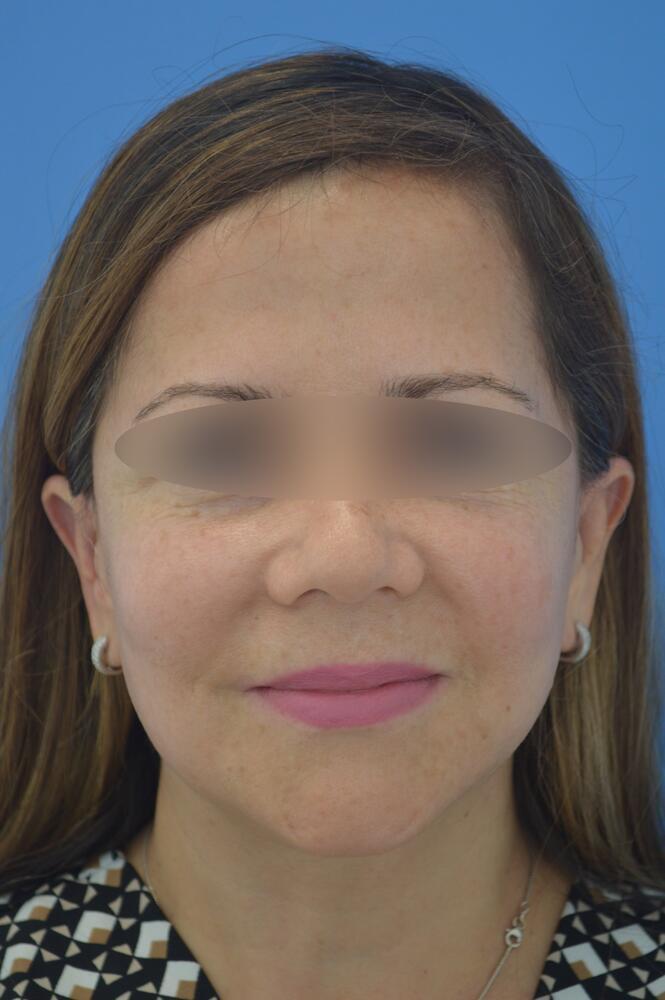
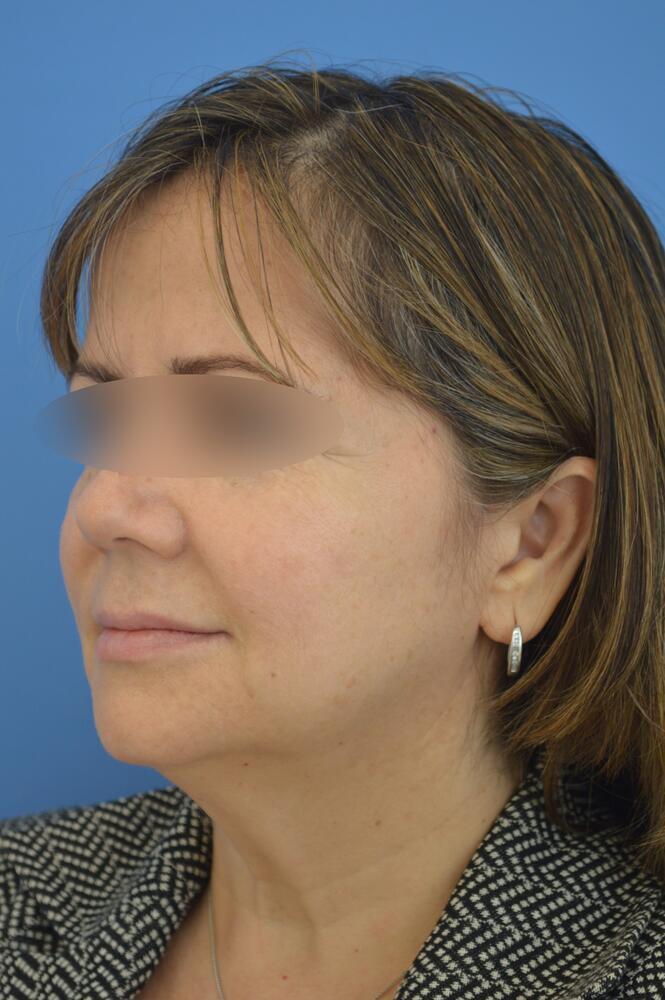
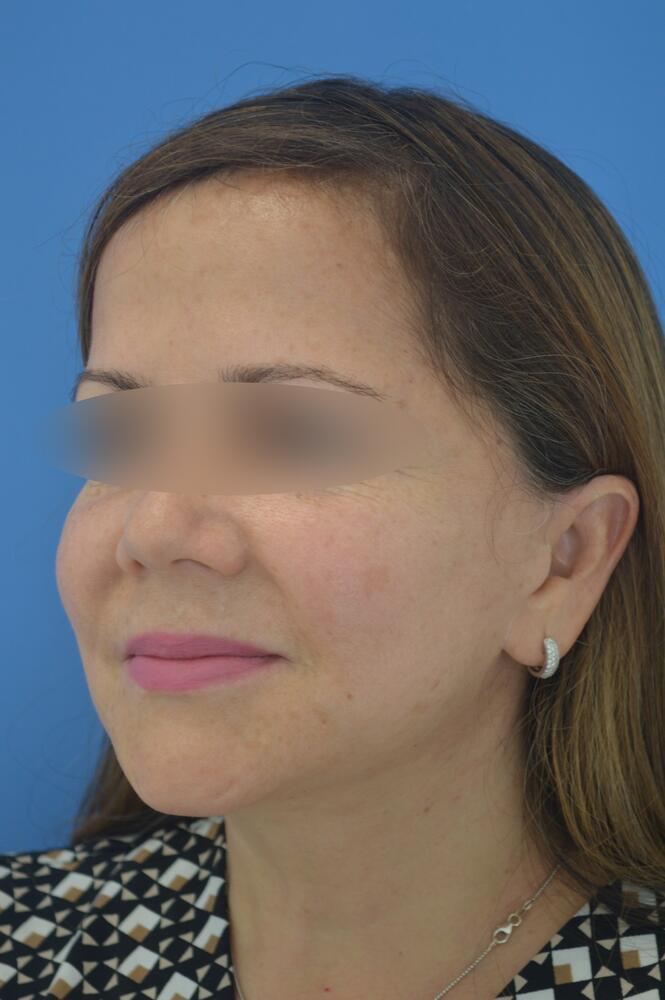
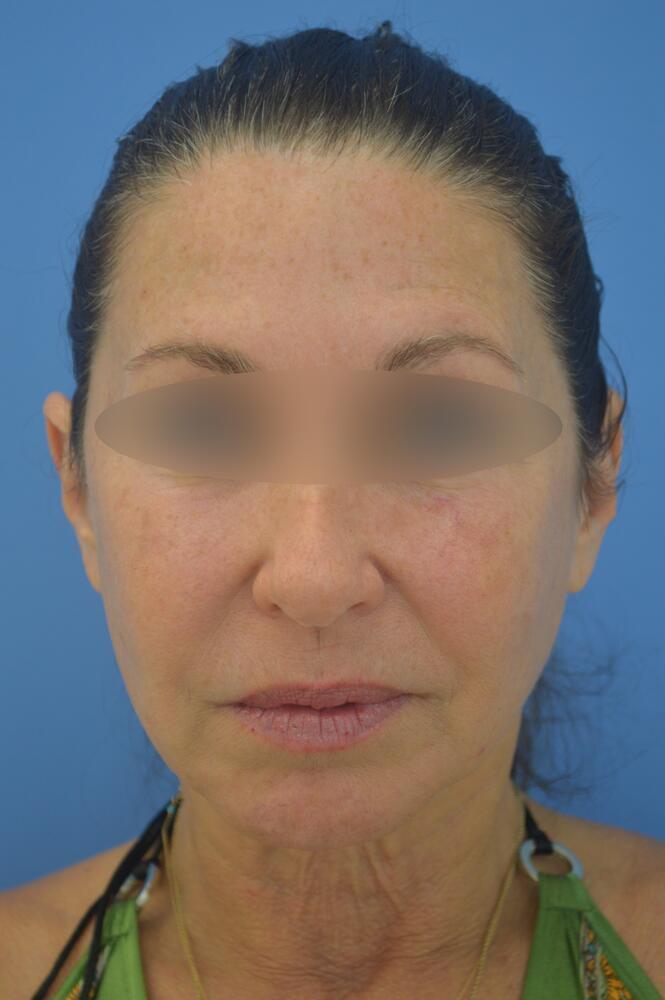
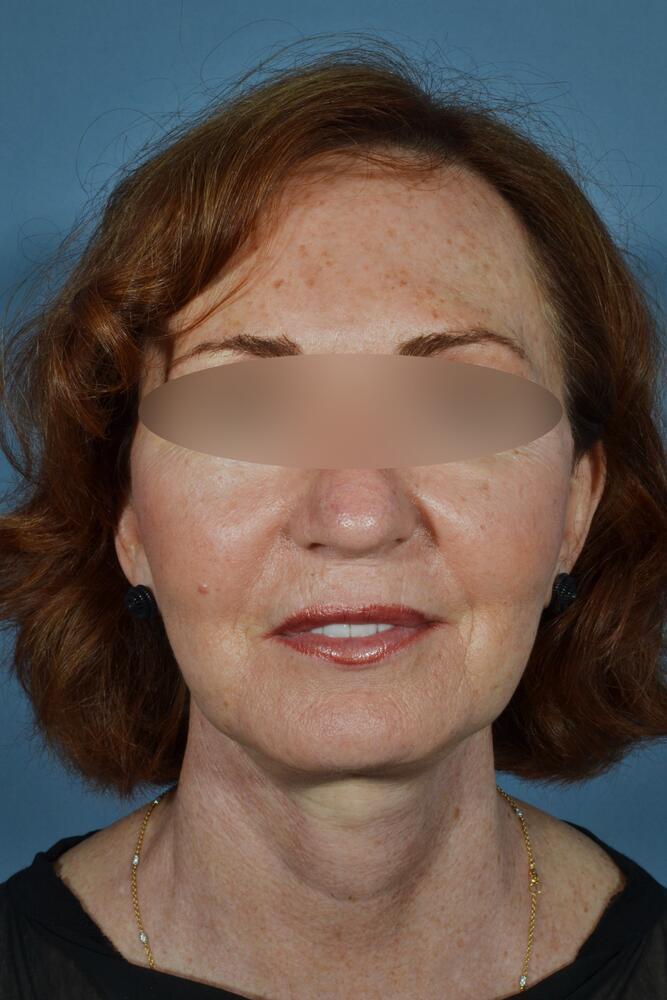
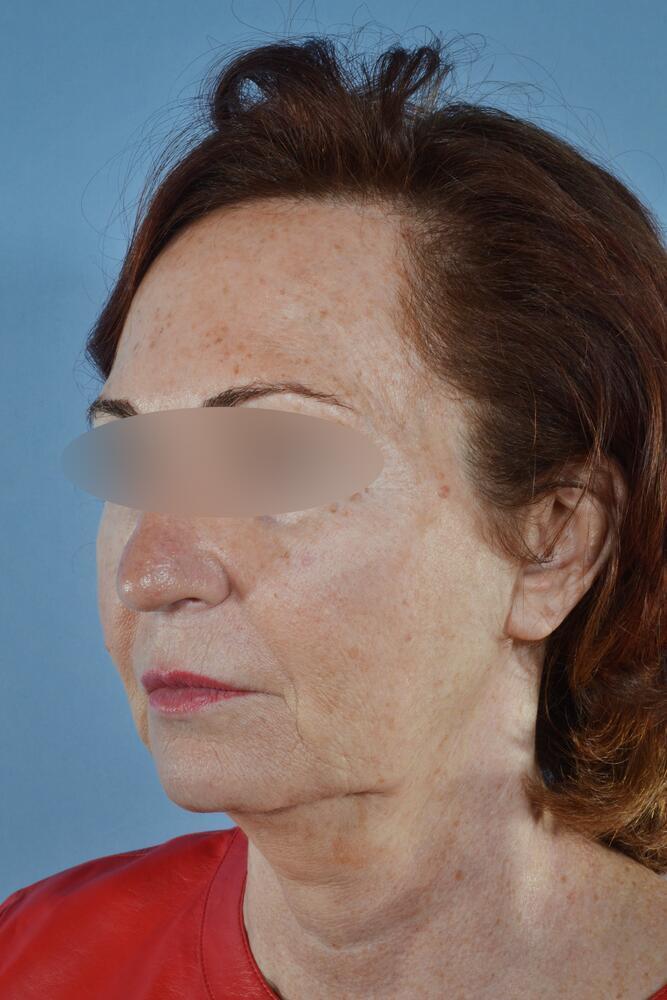
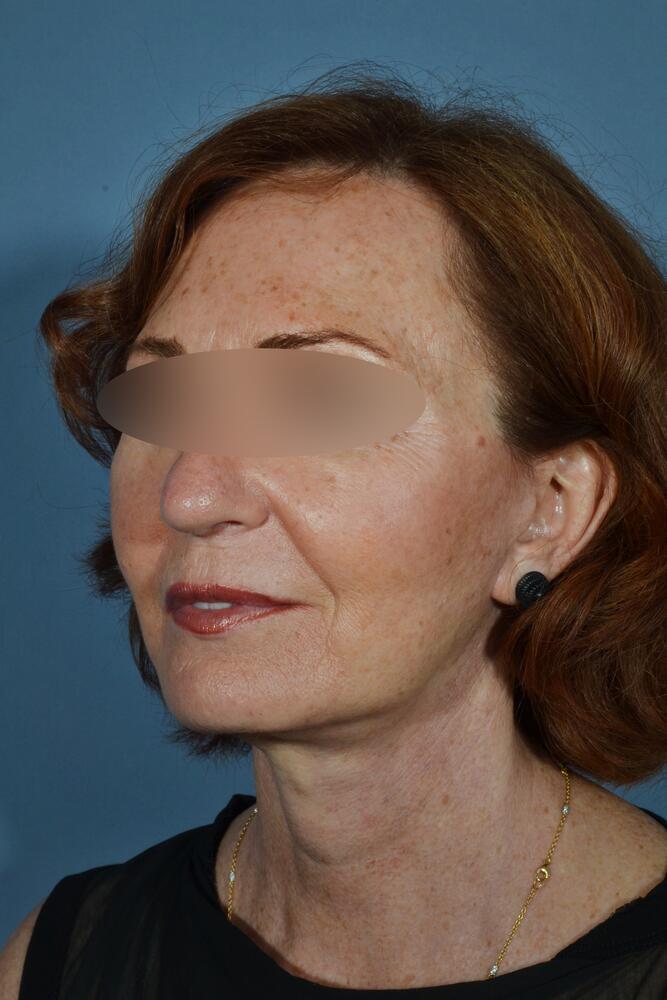
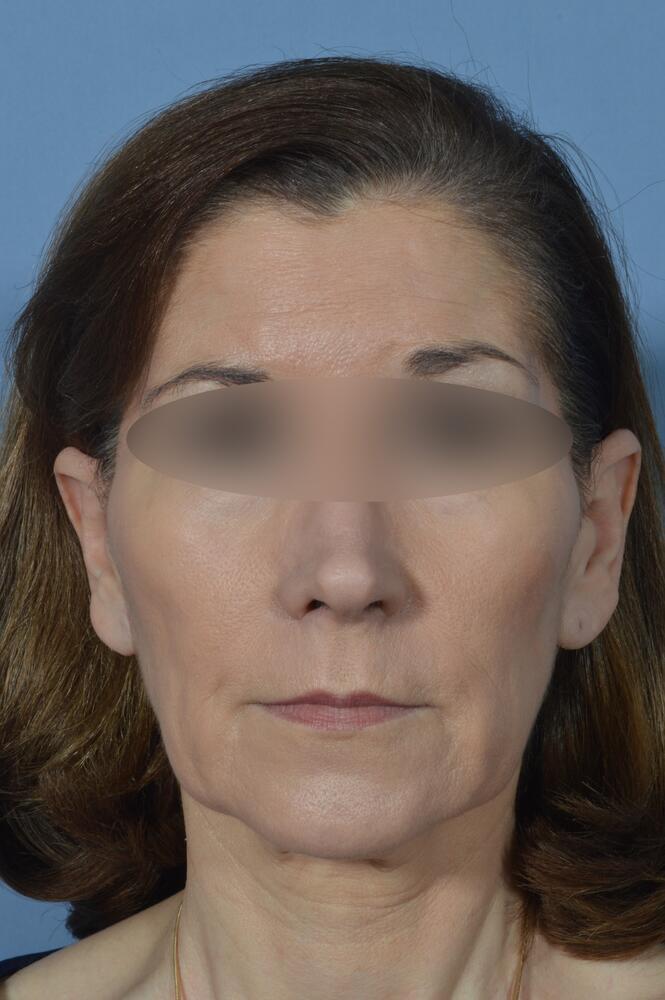
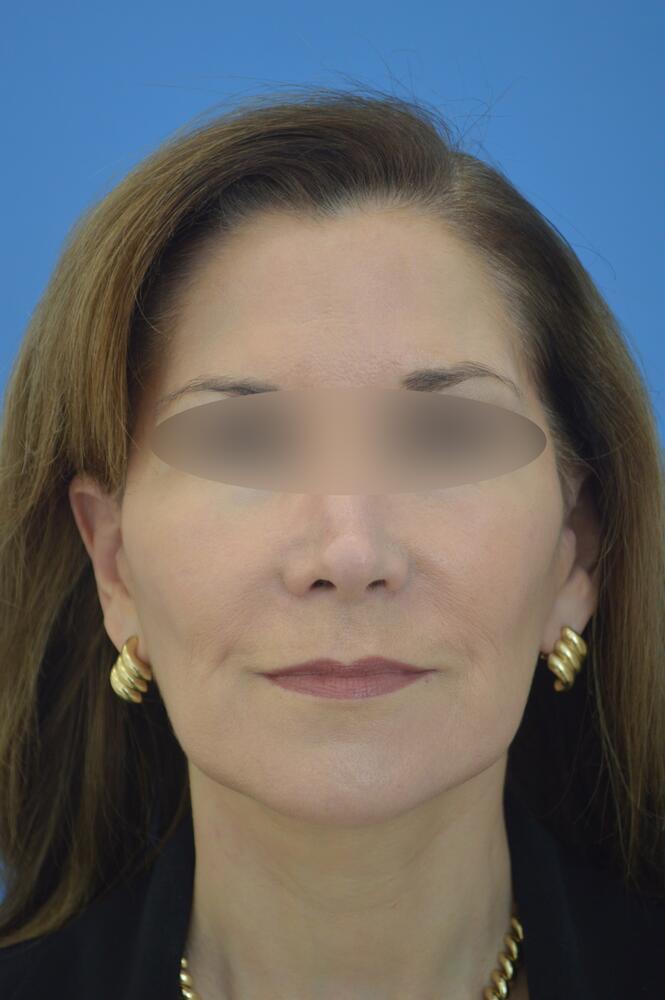
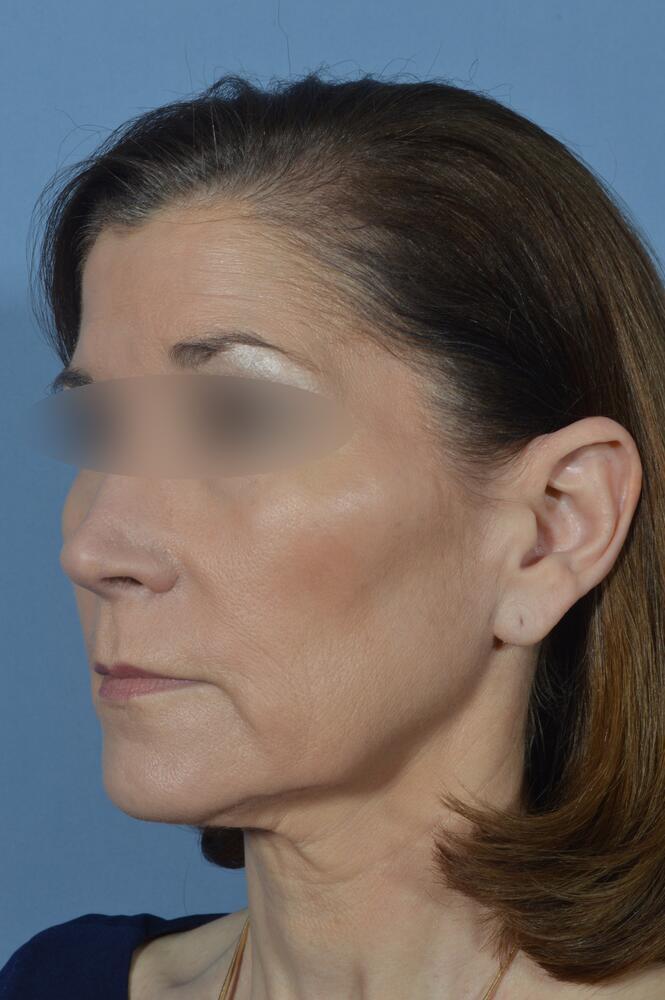
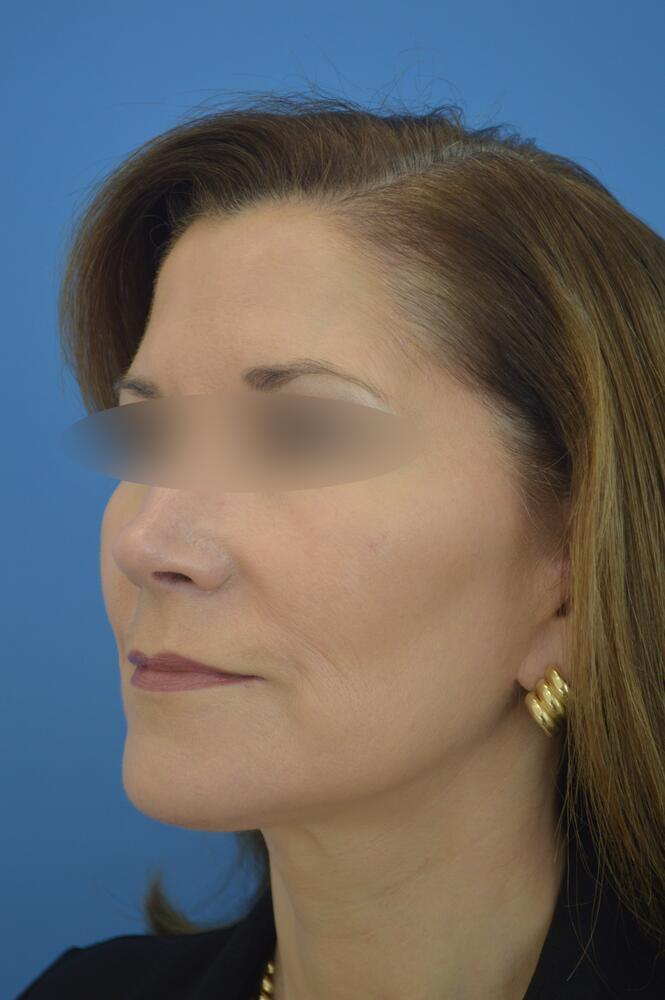
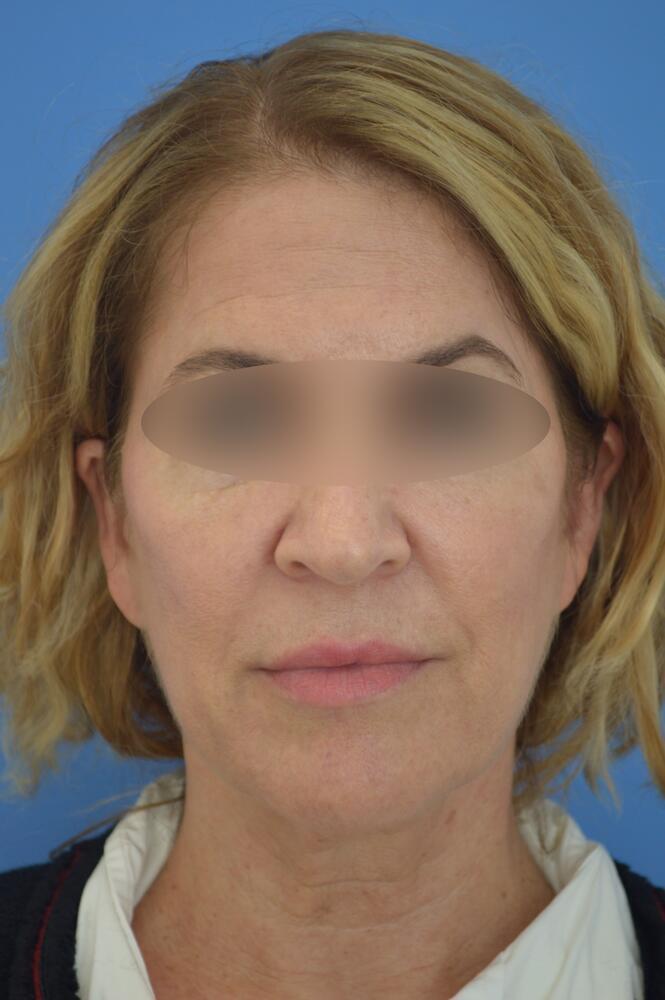
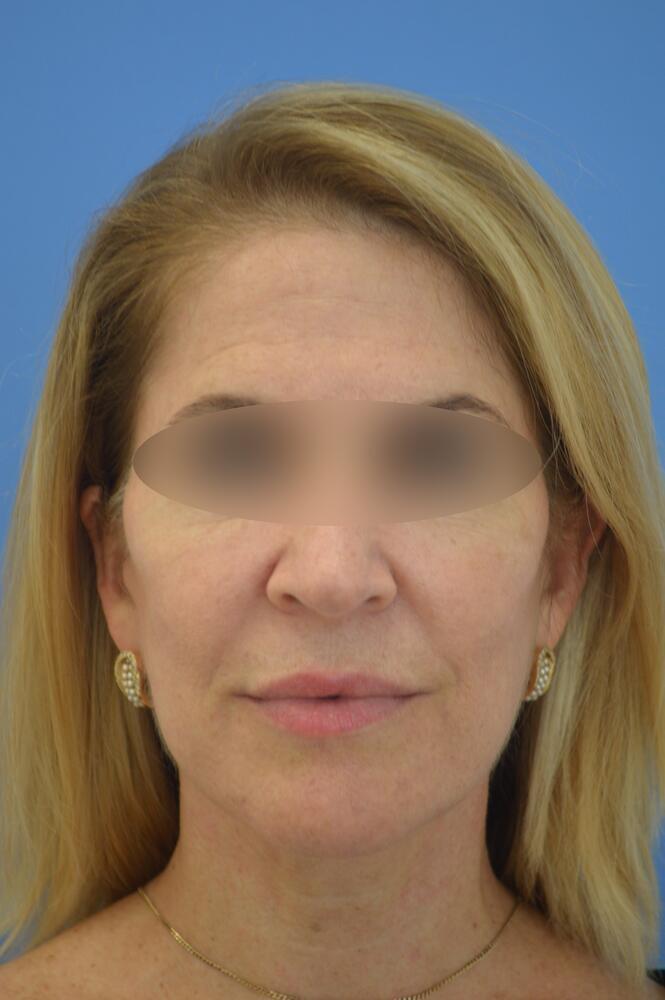
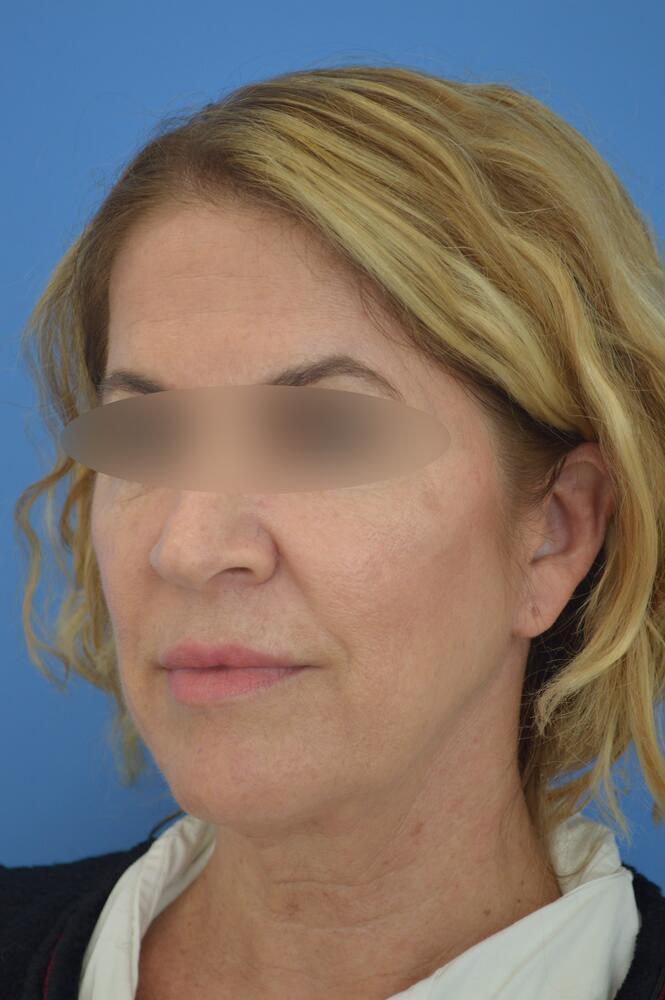
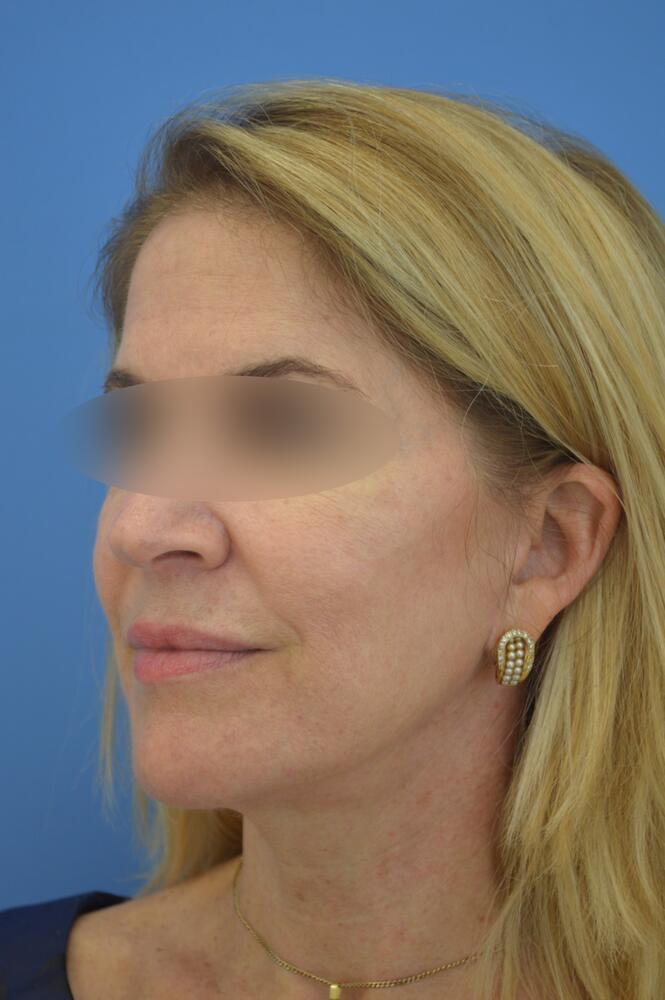
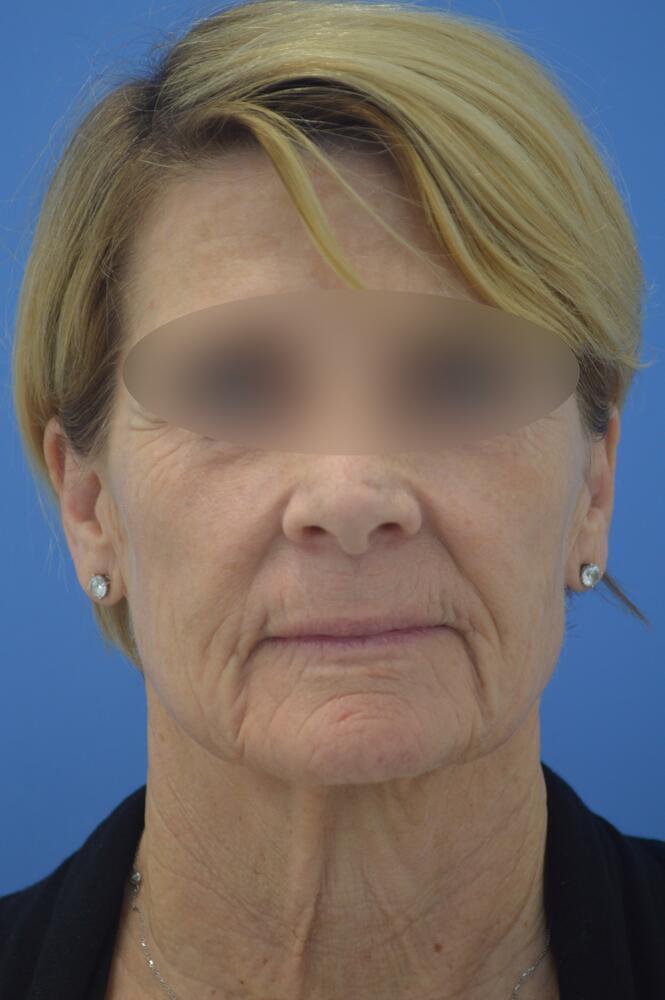
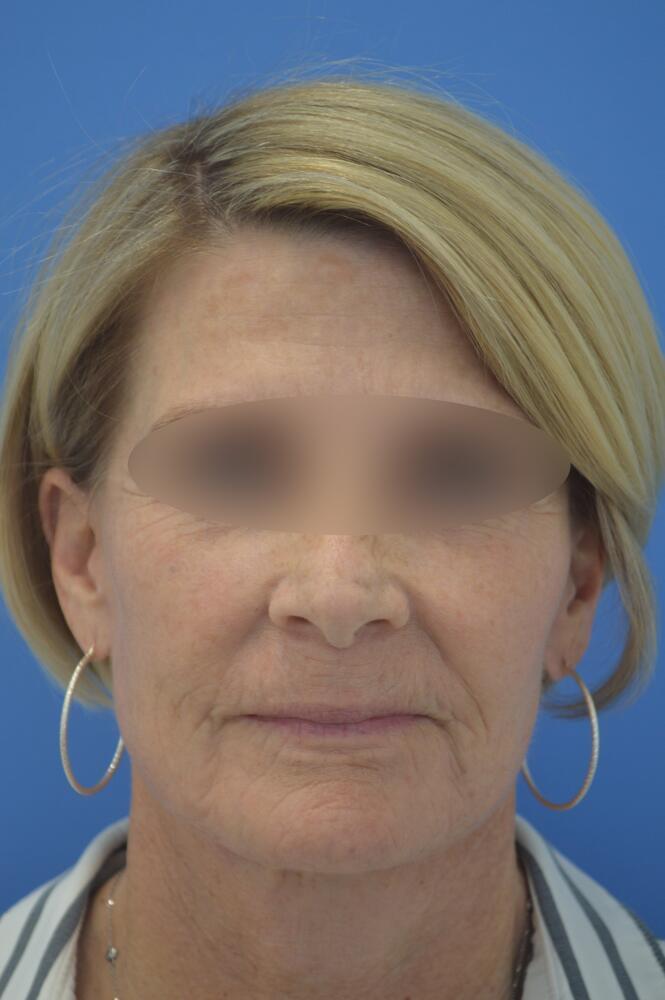
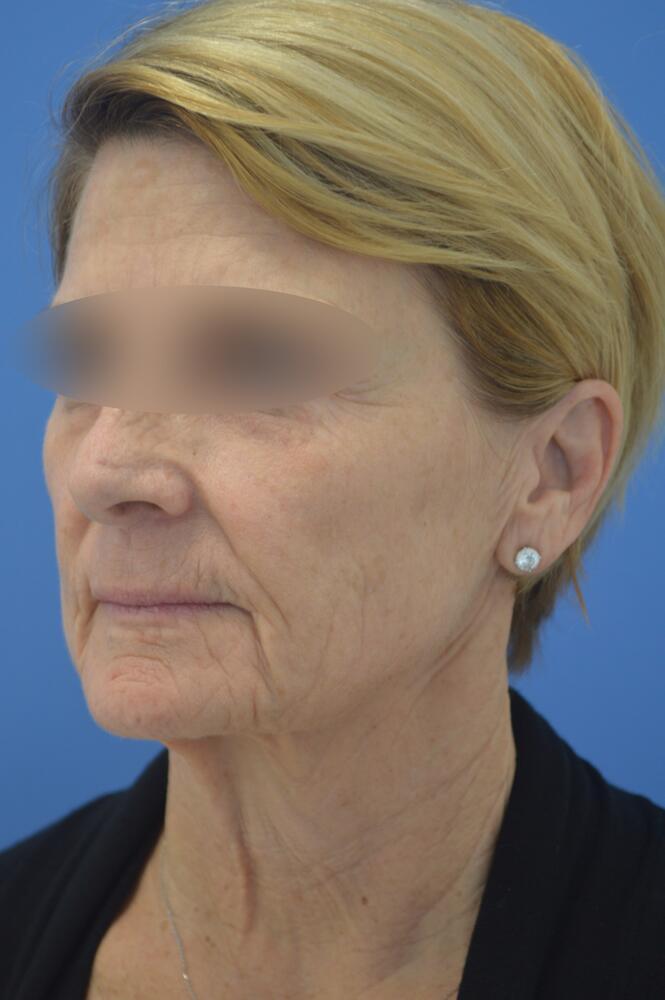
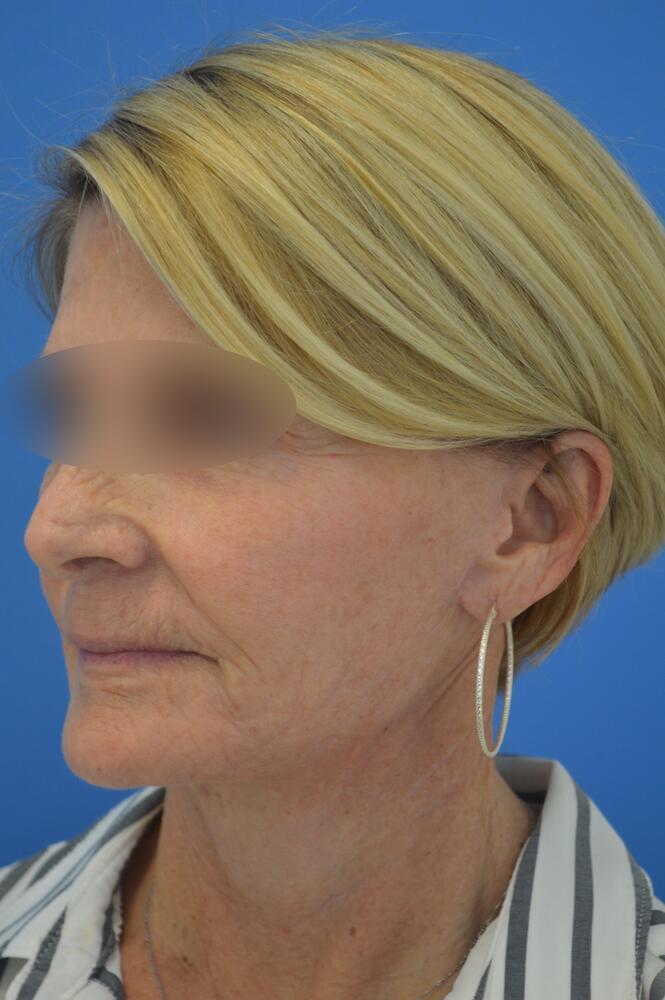
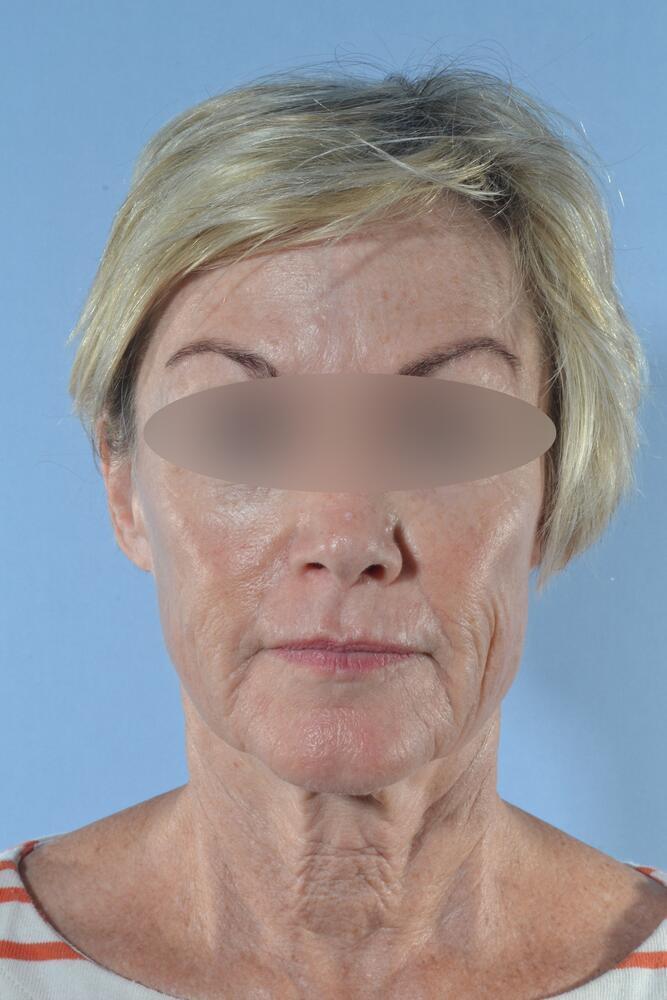
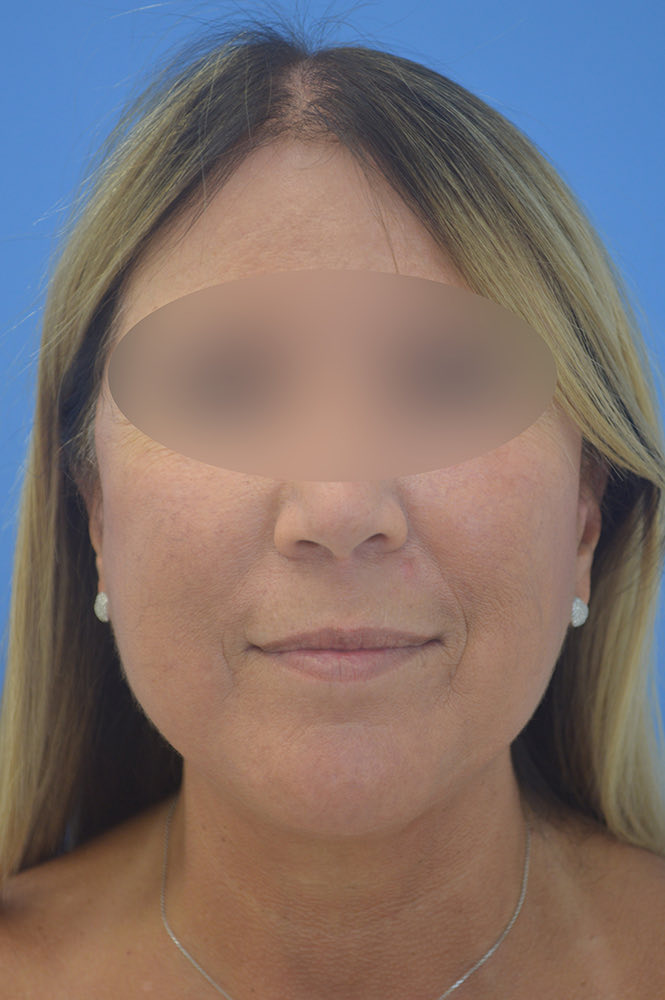
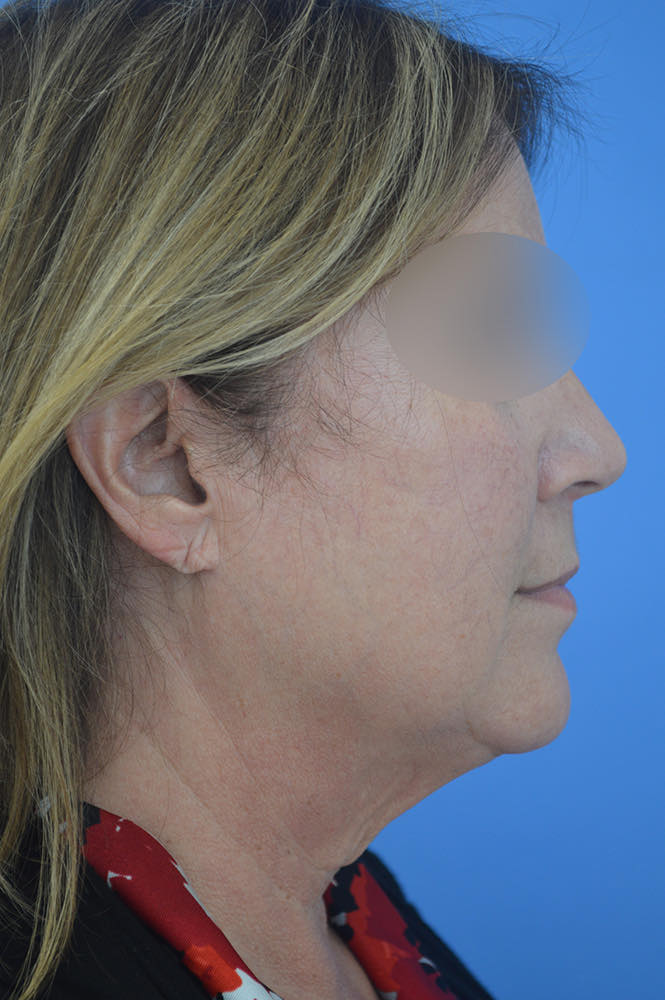
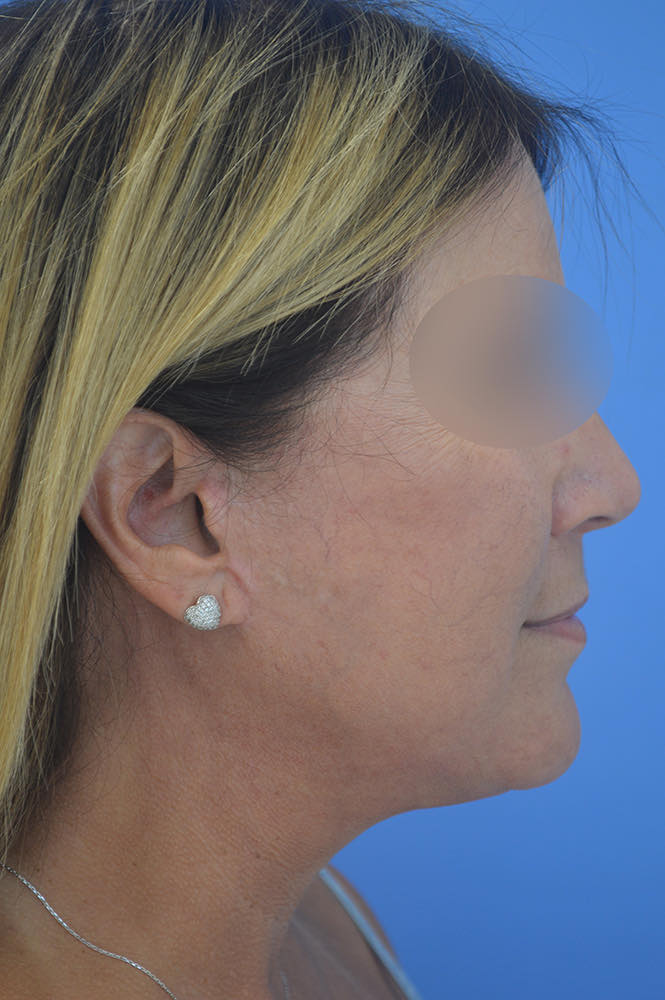
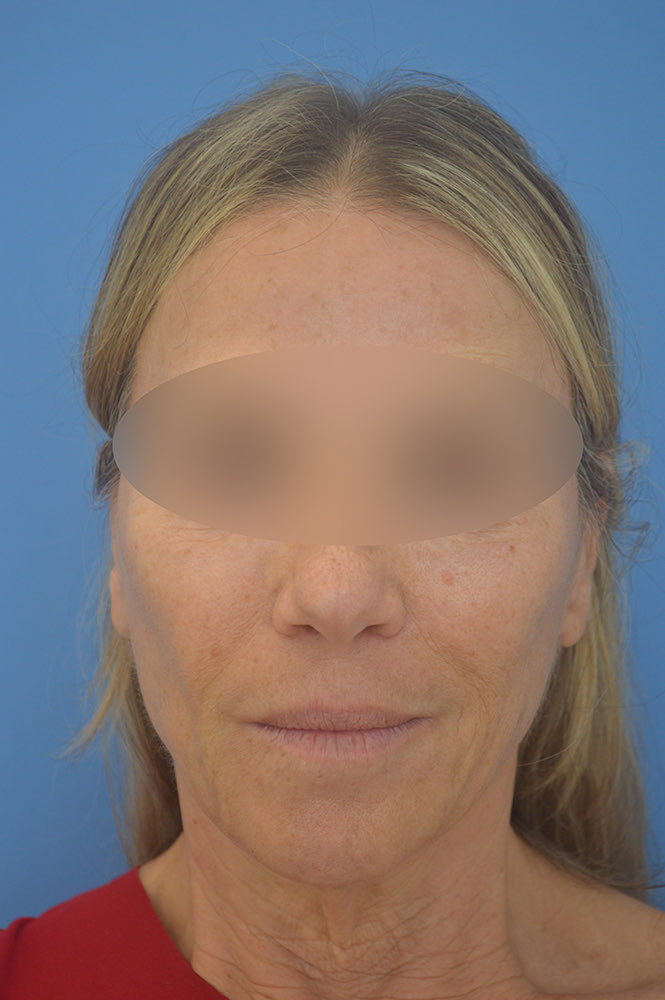
If you are thinking about a facelift in Miami, you can look at Dr. Baker's face and neck lift before-and-after gallery to see the kinds of changes real patients have experienced. These photos are helpful for discussing your preferences, but keep in mind that someone else's result cannot predict yours. During your consultation, Dr. Baker can explain how your own anatomy will shape your surgical plan.
When comparing plastic surgeons for a facelift in Miami, look for board certification, experience in facial plastic surgery, and a gallery of cases with patients who have anatomy similar to yours. Ask each surgeon to explain the planned incisions, the surgical technique, whether neck work is included, and where the procedure will be done. A board-certified surgeon should talk about risks and recovery as clearly as the expected benefits. Dr. Baker can show you how his plan addresses your facial features and which changes may not be treated. Your decision should be based on the proposed operation and how confident you feel in the surgeon's answers.
Planning a facelift in Miami starts with what bothers you when you look at your face from the front and the side. Dr. Baker checks the position of your cheeks and jowls, how elastic or loose your skin is, and how your face and neck relate to each other. He also reviews your health, medications, past cosmetic procedures, and nicotine use, since these can affect your surgery and healing.
You will talk about the expected results, where incisions will be, anesthesia, recovery, risks, and cost before deciding whether to move forward. If a neck lift, facial fat grafting, or another treatment would better address your concerns, that will be included in the plan. Some patients may benefit more from a smaller procedure or by waiting.
Bring photos that show the changes you care about, including an older photo if it helps. Talk about any previous injectables, facial surgery, nicotine use, and medications. Ask if your concern is due to loose skin, sagging tissue, or lost volume, since each needs a different solution. Make sure you leave knowing what Dr. Baker expects to improve, what will stay the same, where incisions will be, and how long healing may take.
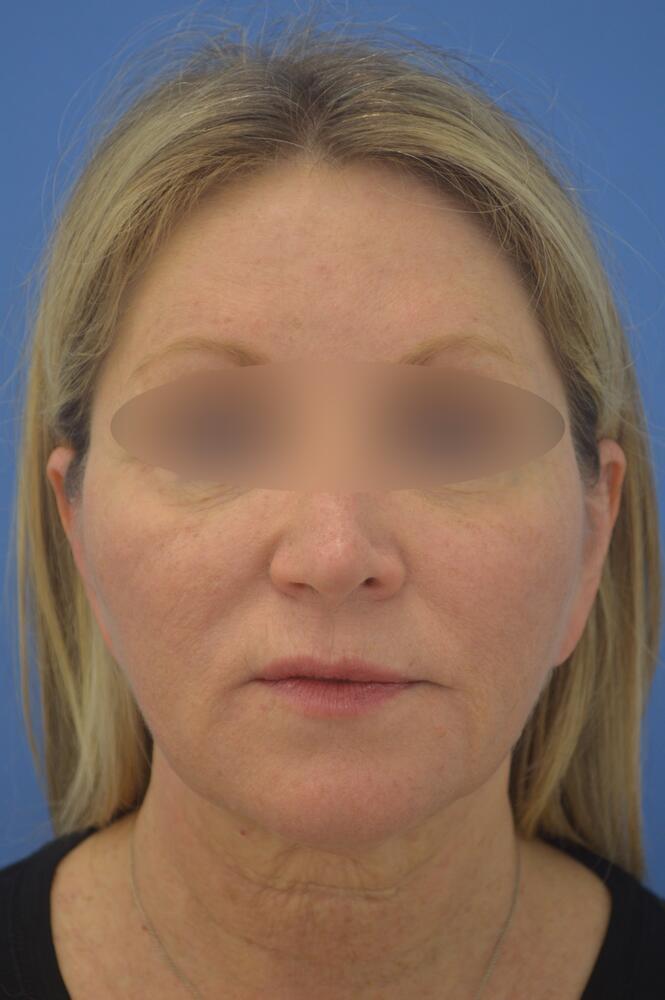
Dr. Baker performs facelift surgery as a same-day procedure using general anesthesia at an accredited outpatient surgery center. Incisions are usually made around the ears and along the hairline, with the exact pattern chosen based on how much and where tissue needs to be lifted. Through these incisions, the surgeon repositions deeper facial tissue, adjusts or removes extra fat if needed, and removes excess skin before closing the incisions carefully.
If your neck needs correction, the surgery may also include work below the jaw or under the chin. A facelift without neck surgery is different from a combined face and neck lift in both scope and time needed. Dr. Baker will explain the surgery planned for you, instead of using the same technique for everyone. You will need someone to take you home and help you after surgery.
As we age, a softer jawline can be caused by tissue sagging in the face, changes in the upper neck, or both. If you are concerned about loose neck skin, vertical bands, or extra fat under the chin, Dr. Baker may suggest a neck lift that works on the platysma muscle, skin, or fat. A combined procedure is different from a facelift that only focuses on the cheeks and jowls. Your plan should state whether it includes the upper neck and whether an incision under the chin is expected. This clarity helps you compare before-and-after photos and recovery times more fairly.
Most patients experience swelling, bruising, tightness, and some temporary numbness. The first several days after facelift surgery are for rest, gentle movement, and following your written care instructions. Keep your head elevated as directed to help minimize swelling, and attend your scheduled follow-up visits so the team can check your healing. Dr. Baker's instructions will govern incision care, medicines, bathing, exercise, sun exposure, and when you may drive.
Plan for at least a couple of weeks away from social commitments and possibly longer before returning to public-facing work, depending on the extent of surgery and how you heal. Dr. Baker advises many facelift patients to allow two to three weeks before work and to avoid strenuous activity for about four weeks. A combined procedure can require a different schedule. Do not plan surgery immediately before a major event: residual swelling and changes in skin sensation can continue to settle for months.
Call the practice if you have a concern that does not fit the recovery instructions. Seek urgent medical attention for symptoms such as chest pain or shortness of breath. Your care team will tell you which other changes need prompt assessment.
Bruising often fades before the last swelling resolves. The contour can keep changing as tissues settle and incisions mature. Dr. Baker advises that final results may take about six months to become clear, especially when surgery extends into the neck. For a major event or photo session, leave extra time beyond the point when you feel ready to go out. At follow-up visits, ask which changes are expected and which warrant a call.
You should see clearer facial contours as bruising and swelling improve, with refinement over the following months. Facelift results do not stop the aging process, and no surgeon can promise a particular duration or a perfectly symmetrical result. Sun protection, avoiding nicotine, and caring for your skin can help protect the quality of your result.
Every incision leaves a scar. Facelift incisions are placed around the ear and hairline to make them less noticeable, but healing is different for everyone. Where scars are and how visible they become depends on your hairline, anatomy, the amount of surgery, and how your body heals. Ask Dr. Baker to show you the planned incision pattern and talk about any concerns you have about your hairstyle or visible scars before surgery.
A facelift may be right for you if you have sagging skin, loose lower-face tissue, or jowls that are too pronounced for a smaller procedure to fix. Good candidates are healthy enough for elective surgery, understand the recovery process, and have realistic expectations about what can and cannot be improved. There is no perfect age for a facelift—skin loses elasticity at different rates, and tissue sagging matters more than age. Dr. Baker will review your medical conditions and medications to make sure surgery is safe, and he will give you specific advice about stopping nicotine before and after surgery.
If your main concern is fine lines, skin discoloration, or volume loss without much sagging, other cosmetic procedures may be a better fit than a facelift. Your consultation should give you an honest answer about this.
Facelift surgery has risks, such as bleeding, infection, anesthesia problems, slow wound healing, noticeable scars, changes in sensation, uneven results, and facial nerve injury. Most swelling and bruising get better with time, but some complications may need treatment. Dr. Baker will talk with you about your personal risk factors and what steps are taken to reduce them before you decide on surgery.
The cost of a facelift in Miami depends on the work planned, whether neck surgery or another procedure is included, and the facility and anesthesia fees. After your exam, the practice can give you a personalized quote. A price alone does not show if two operations cover the same areas or offer the same level of care.
An estimate should list the areas being treated, the surgeon, anesthesia and facility fees, and what follow-up care is included. Check if separate neck or facial work is part of the proposal. Comparing total prices without looking at what is included can be misleading—one quote may be for a limited lift, while another includes the neck. Dr. Baker's office can give you a patient-specific estimate once your plan is clear.
If changes in your cheeks, jawline, or neck have you thinking about a facelift in Miami, schedule a meeting with board-certified plastic surgeon Dr. Baker to discuss your options and what to expect. His Miami office welcomes patients from all over South Florida at 3850 Bird Road, Suite 702, Miami, FL 33146. Call (305) 381-8837 or request a consultation using the form on this page.
The goal is to improve the contours that have changed with age while keeping your features recognizable. How much change you see depends on your starting anatomy and the operation planned. Bring examples of results you like and do not like so Dr. Baker can understand your preferences.
A facelift can treat the neck if a neck lift is included in your surgical plan. If the facelift only focuses on the cheeks and jawline, loose neck skin may not be treated. Dr. Baker will look at both areas and explain if combining them would give you a more balanced result. Learn more about his neck lift in Miami.
Dermal fillers and other injectables can help with certain wrinkles or volume loss, but they do not remove significant loose skin or lift sagging tissue. If you have early signs of aging, nonsurgical care may be enough for now. The best way to compare options is to look at what each one can realistically improve for your concerns.
Most patients need time away while bruising and swelling are visible. Dr. Baker advises roughly two to three weeks before returning to work and about four weeks before strenuous activity. A combined procedure or individual healing may change that timeline.
The repositioned tissues do not return to their exact starting position, but the aging process continues. Skin quality, weight changes, and sun exposure shape the result over time. Dr. Baker can discuss your case without promising a fixed number of years.
There is no standard price. The extent of surgery, neck work, and facility and anesthesia fees affect your quote. Dr. Baker can provide an individualized estimate after your consultation.
The care you deserveThe results you want
Dr. Baker offers an inimitable treatment experience with a highly personalized, precision-based approach. With extreme dedication, Dr. Baker takes the time to ensure that every detail of your treatment is designed uniquely for you with optimal safety, effectiveness, and compassion. Take the first step toward your best possible outcome by scheduling your in-office or virtual consultation with Dr. Baker today.
Merrick Pointe
3850 Bird Rd, Suite 702, Miami, FL 33146