When Small Procedures Make the Biggest Difference
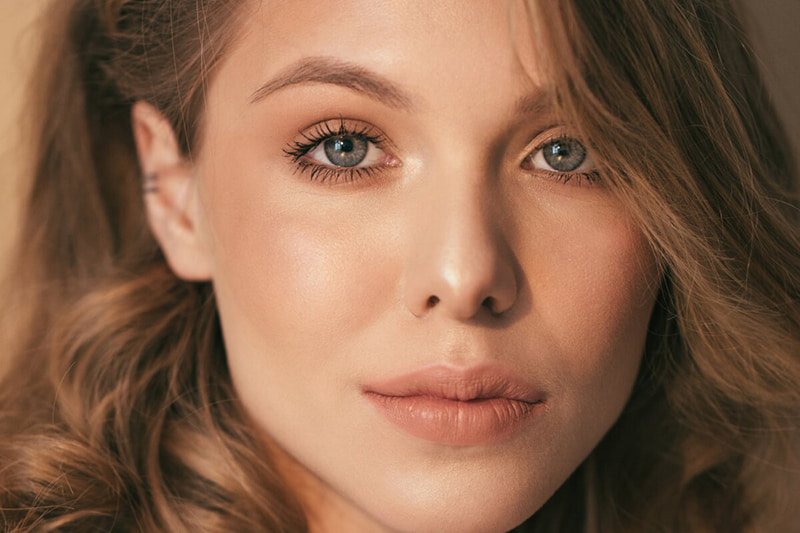
Patients sometimes assume that a noticeable improvement requires a large operation, but in practice, some of the most satisfying changes come from treating one small feature that is affecting how the rest of the face is perceived.
Smaller facial procedures work best when the concern is equally specific. A limited operation cannot correct every sign of aging, but it can be very effective when excess skin, localized sagging, or a small imbalance is responsible for the appearance a patient wants to change.
Why a Small Area Can Affect the Whole Face
Certain features carry more visual weight than their size would suggest. The eyelids are a good example. A relatively small amount of excess skin can make the eyes look heavier, create a tired appearance, and change how the entire upper face reads.
Upper blepharoplasty is one of the procedures where a focused surgical area can produce a noticeable improvement. I place the incision within the natural upper-eyelid crease and remove only the amount of skin needed while preserving normal eyelid closure. A few millimeters around the eye can affect symmetry, expression, and final shape.
Eyelid surgery also shows why the surrounding anatomy has to be evaluated first. Crow's feet, brow position, lower-eyelid fullness, and facial volume all contribute to the eye area, and they are not all corrected by blepharoplasty.
Sometimes the Brow Is Part of the Problem
Heavy upper eyelids do not always come from the eyelids alone. A descended brow can push additional tissue toward the upper lid and make the area appear more hooded.
This is why brow position should be evaluated before deciding how much eyelid skin to remove. Taking more skin will not correct a brow that has dropped, and over-resection can interfere with closure or create an unnatural appearance.
For selected patients, a brow lift may be more appropriate or may be combined with blepharoplasty. With more limited changes, BOTOX can sometimes provide a small amount of elevation at the outer brow and soften certain facial lines without surgery.
Volume Can Change More Than You Expect
A small amount of lost facial volume can affect the way several features look together. Hollowing beneath the eyes can deepen shadows, while loss of cheek support can make nasolabial folds or marionette lines more noticeable.
In those situations, dermal fillers may provide enough volume to soften transitions and create a more refreshed appearance. The amount should still be measured carefully. Filling every line or hollow can make your face look heavier and work against a natural appearance.
This is one reason I often prefer to start with fillers before considering facial fat transfer when the amount of volume needed is modest.
Small Procedures Still Require a Full Diagnosis
A focused procedure should not be confused with a shortcut.
I still need to evaluate skin quality, tissue position, facial proportions, asymmetry, and how one area relates to another. The fact that a procedure uses small incisions or has less downtime does not make the decision simpler.
The same principle applies to the nose, chin, and jawline. A limited rhinoplasty change can improve balance when the rest of the nose is already well supported. In another patient, better chin projection can change the profile enough that the nose appears more proportionate without aggressive reduction.
When a Mini Procedure Is Not Enough
There are times when a patient asks for the smallest possible operation because less surgery, less swelling, and a shorter recovery sound appealing. Those benefits only help if the procedure can accomplish what the patient wants.
A mini facelift may be appropriate for early sagging around the lower face in a patient with good skin quality and relatively little neck laxity. If significant jowling, loose neck skin, or deeper tissue descent is present, a mini procedure cannot simply be stretched to do the work of a more complete facelift.
I would rather recommend the operation that adequately addresses the anatomy than perform a smaller procedure that leaves the main concern behind.
Knowing What to Leave Alone
One advantage of focused treatment is that areas that do not need correction can be left alone.
If the upper eyelids are the only concern, there may be no reason to alter the cheeks, chin, or neck. If a modest amount of BOTOX produces the desired brow position, surgery may not be necessary yet. If a small amount of filler restores enough facial volume to improve the contour, adding more does not automatically produce a better result.
Natural-looking results often depend on correcting the structure creating the problem and stopping once the surrounding features look balanced again.
Small Procedure, Appropriate Procedure
The size of an operation does not predict how meaningful the result will be. A focused procedure can create a smoother, more youthful appearance when it is aimed at the right feature, while a larger operation may be necessary when several areas have changed together.
During consultation, I look at the concern in the context of the surrounding face, the quality of the skin, and the changes that come with aging before recommending a treatment plan. Sometimes the best answer is blepharoplasty, a small amount of filler, BOTOX, or another limited procedure.


